




Prof. Mónica Bugallo
"Research is a fascinating endeavor for answering questions and solving problems that will change our lives. It allows creativity, inspiration, and innovation to come together to generate new knowledge and advance our society."

Our research spans the full spectrum of electrical and computer engineering, advancing fundamental science and developing technologies that address critical challenges across energy, computing, communications, healthcare, and autonomous systems.
At the forefront of technological innovation, ECE faculty pursue patents as a natural extension of their research. Patented technologies can become critical assets for start-up companies, helping attract investment and protect new ideas.
Through Stony Brook’s Office of Technology Licensing and Industry Relations, faculty, staff, and students can disclose innovations for evaluation and potential patent protection. While not every disclosure becomes a patent or licensed technology, the process helps safeguard discoveries whose impact may not yet be fully recognized.
Stony Brook’s commitment to innovation has resulted in significant success, including $7.2 million in royalty income in 2018, 78 technology disclosures, 119 patent filings, 27 issued patents, and 14 executed licenses. Students can also contribute as co-inventors, gaining valuable experience with the patent process while sharing in potential royalties.
ECE faculty continue to contribute to Stony Brook’s legacy of invention, with eight department members among the university’s National Academy of Inventors chapter. Through their research and discoveries, they help advance technologies that shape the future.
"Research is a fascinating endeavor for answering questions and solving problems that will change our lives. It allows creativity, inspiration, and innovation to come together to generate new knowledge and advance our society."
"Going through school, we are asked many questions that we have to learn to answer. When you do research, you have to come up with the questions. A properly phrased research question can lead to results that change how we understand the world we live in and change the world, hopefully, for the better."
"Research means having a free mind, critical thinking, and creativity. It also means group effort and lots of discussion. I try to train my students for doing research so that they teach me new things down the road, and we together look for answers that would, hopefully, improve the quality of life."
"Research means a path to freedom. It means curiosity, creation, and persistence, and it fulfills fundamental needs in my life. As a power engineering researcher, I dedicate my research to transforming today’s power grids into tomorrow’s autonomous networks and flexible services."
Renewable energy fascinates Professor Yue Zhao of the Department of Electrical and
Computer Engineering at Stony Brook University. Renewable energy plays a crucial role
in fighting climate change, one of the most pressing issues of our time, and working
in this field allows him to contribute directly to reducing carbon emissions and promoting
a sustainable future.
The technology behind renewable energy is becoming increasingly mature and practical.
Decades of innovations have transformed it from a niche area into a broadly viable
and competitive alternative to traditional energy sources. This ongoing evolution
keeps the field dynamic and full of opportunities for ground breaking research and
development.
The challenge of integrating renewable energies into power sytems is complex and intriguing. Achieving high reliability and efficiency of power system planning and operations with massive integration of wind and solar energies presents a plethora of problems from both technological and policy-making perspectives. This makes this field intellectually stimulating and rewarding for a researcher.
Professor Zhao has experience in three problem areas within renewable energy.
Machine learning for hi-fidelity monitoring and forecasting of distributed energy resources (DERs) and net loads.
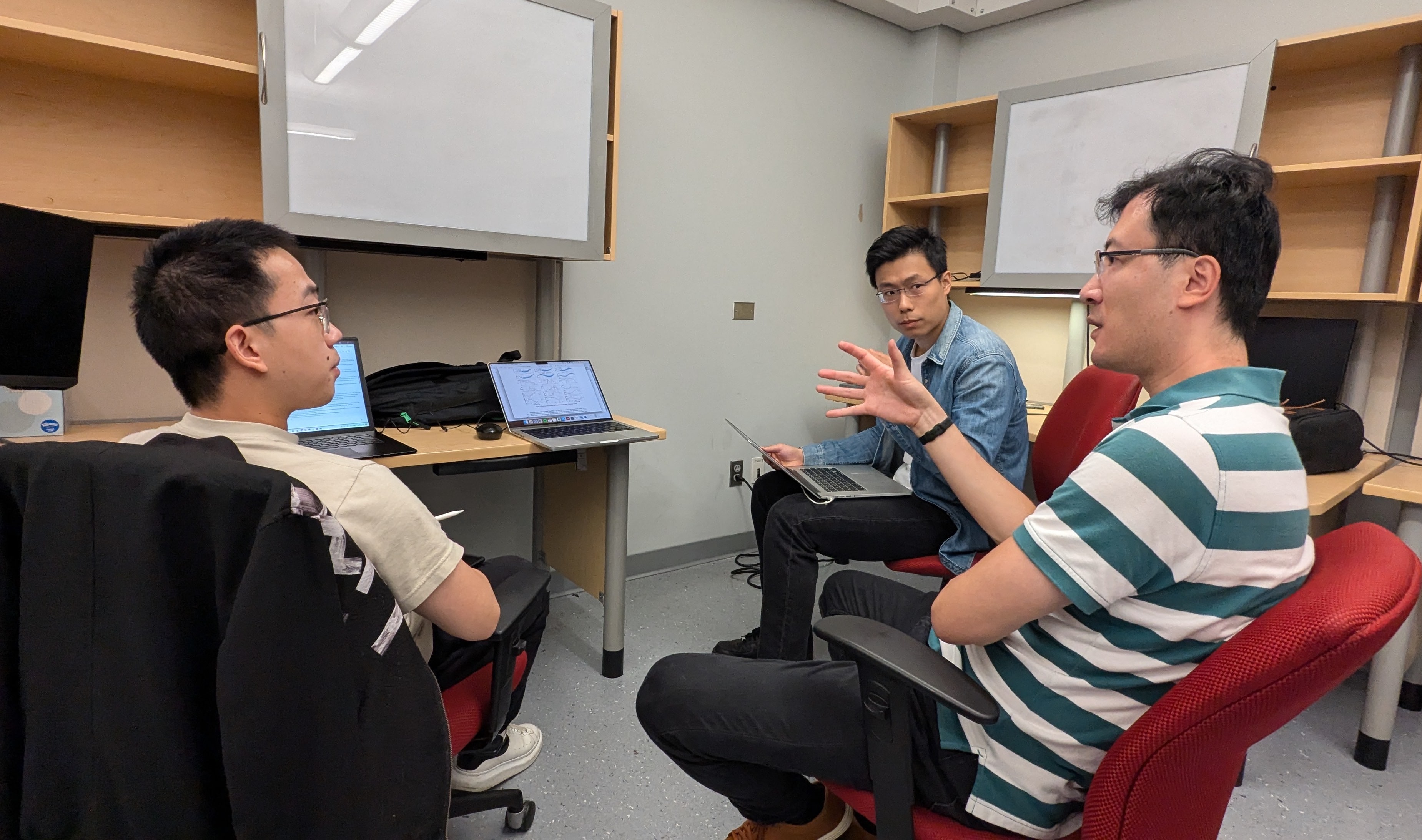
In recent years, the power distribution systems have been experiencing transformative changes namely in the rapid and continuing growth of renewable energies, the explosive adoption of electric vehicles (EVs), and the growing availability of flexible demands. Facilitating massive integration of distributed energy resources (DERs) in the long run with reliability and economic efficiency requires hi-fidelity monitoring and forecasting of the distribution systems and DERs.
Zhao’s group employs a suite of machine learning algorithms to improve the monitoring and forecasting for DERs and net loads. The research is made feasible by the rapid penetration of advanced sensors in power systems. To unleash the full value of the complex data sets collected, Zhao and his group develop novel unsupervised and supervised machine learning algorithms to provide accurate prediction of the health conditions of solar assets, and accurate detection, estimation and forecast of power consumption and generation from end-use customers such as behind-the-meter solar, EVs, and net loads.
 |
Optimal dispatch of flexible energy resources such as energy storage, demand response and EV fleets.
A main challenge of grid integration of renewable energies in a reliable and efficient manner is to address the intermittency of wind and solar generation which are heavily dependent upon weather. A key idea is to exploit the variety of energy resources with high flexibility. These include energy storage, demand response, and EV fleets. Notably, the models of these resources are often either quite complex or non-existent. To optimally dispatch such resources to best compensate for the intermittency of wind and solar, Zhao’s group develops novel data-driven models and reinforcement learning (RL) algorithms, including offline RL algorithms that rely only on existing data sets that are widely available.
Market design for harnessing renewable energies in power systems.
As renewable energies and DERs bring significantly higher uncertainties into power systems, a prominent question arises: How do we organize and efficiently operate with all these uncertain resources? Zhao’s research vision is to provide principled methods, not ad hoc solutions, that offer a sustainable and scalable path of integrating renewable energies and DERs into power systems in the long run. Zhao’s research designs market mechanisms to integrate renewable resources into power system operations to achieve three design goals: social efficiency, practicality, and fairness.
Unique Synergy and Practicality
What differentiates Zhao’s research is the unique synergy between machine learning (ML) and power systems. His work delves deeply into exploiting the distinct characteristics of energy problems for novel design of ML algorithms. Instead of wielding a hammer (machine learning) to find a nail (power system problems), his research takes the opposite direction. He starts by understanding the unique characteristics and specific challenges of power system problems, and then designs machine learning algorithms to specifically address the intricacies and needs from these problems.
In regard to market design for integrating renewable energies, his work is among the few in the field that successfully combines broad practicality with hard theoretical guarantees.
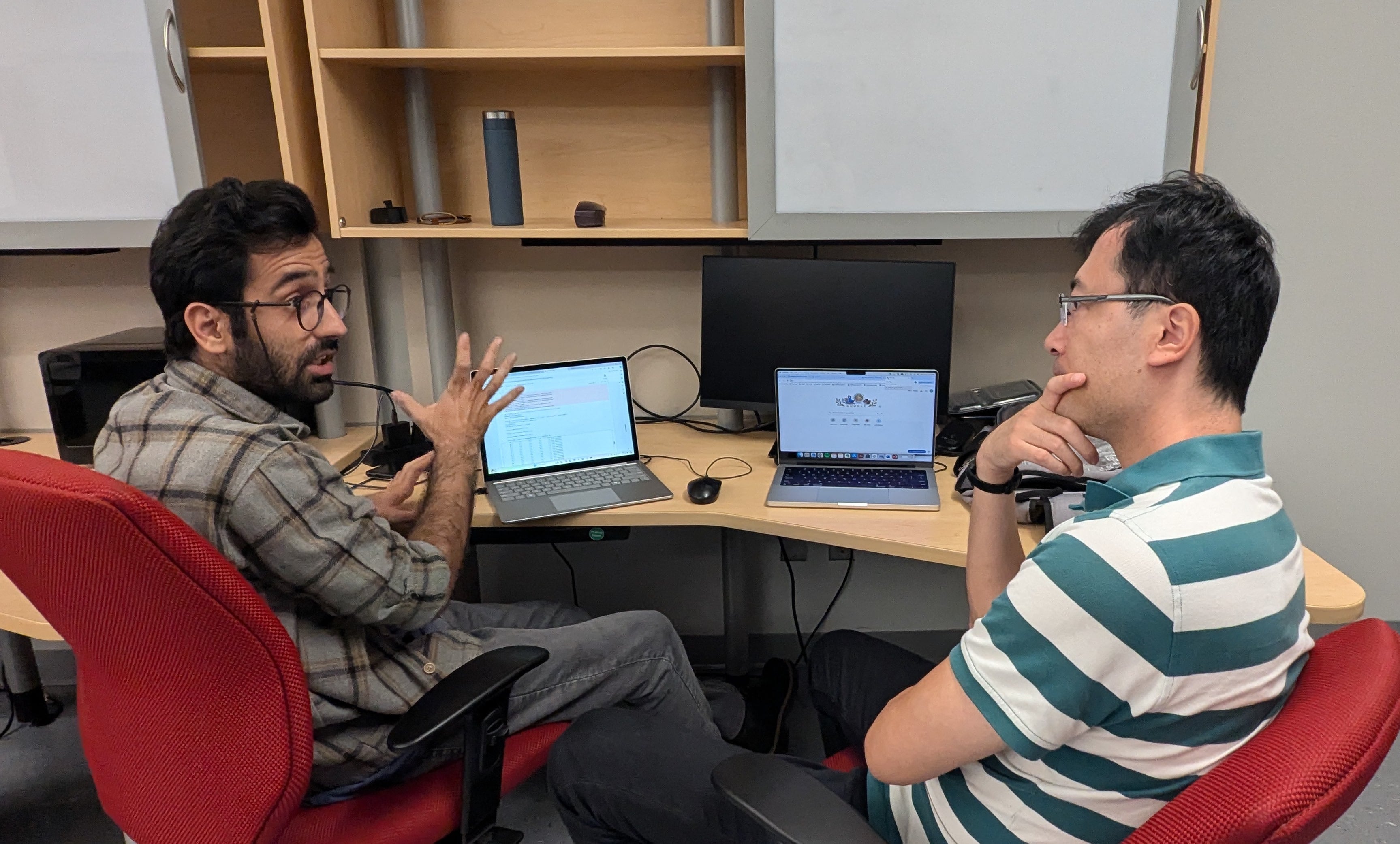 |
At the cornerstone of Zhao’s research is practicality. His projects and research topics are typically derived based on extensive interactions with practitioners in the energy industry. Collaborators from the industry have a real stake in his projects. By closely working with them and regularly hearing their perspectives, he can steer the directions of research exploration to have the most practical impact. For example, in his collaboration with Hydro Quebec on their plan of building an HVDC line from Quebec to New York City, his research derives the most economic and environmental benefits from this large infrastructure investment. Another example is the collaboration with Ecogy Energy, a solar developer based in Brooklyn, New York. The ML algorithms Zhao and his group developed for monitoring solar asset health are directly embedded in their solar asset management software.
Zhao’s research benefits society in significant ways. By improving the integration and management of renewable energies, it plays a crucial role in fighting climate change, contributing to a more sustainable and environmentally friendly future. It also aids in the industrial transformation towards greener energy solutions, fostering innovation and efficiency in the power sector. This transformation not only helps in reducing carbon footprints but also stimulates economic growth by creating new job opportunities in the energy and technology sectors.
Eureka!
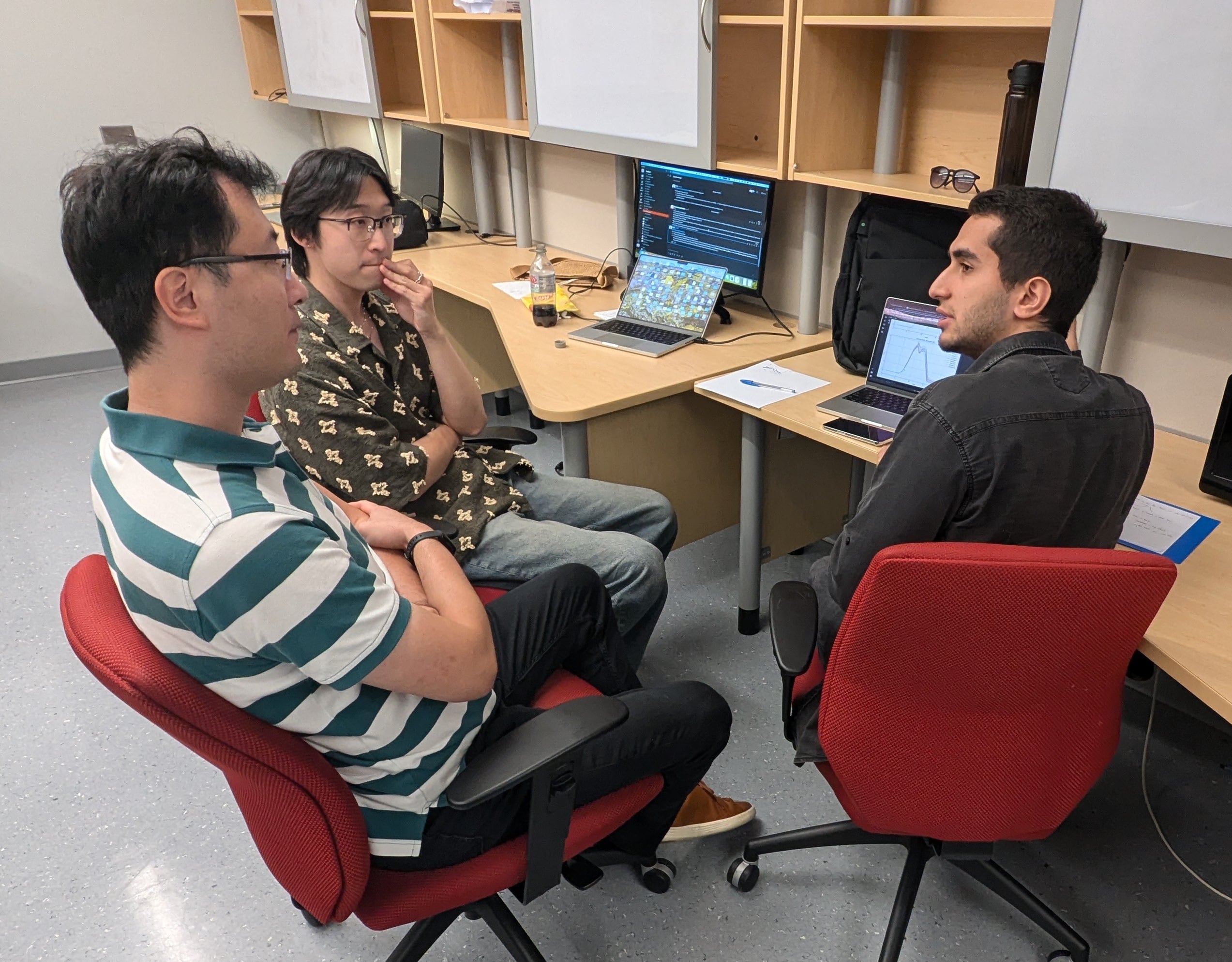
For Zhao, the most important thing is to first understand the real problems in practice.
This understanding helps him to clearly distill the core issues and the conceptual
problems. In deeply analyzing the formulated research problems, he has had quite a
number of “Eureka” moments that lead to novel technical solutions with beautiful results.
 |
Commonality and Practical Nature
These areas are intellectually stimulating and challenging, requiring deep analysis
and a thorough understanding of complex systems. They often involve learning from
massive amounts of real-world data, which provides invaluable insights and drives
major innovations.
Another aspect Zhao finds interesting about them is their practical nature, as they
address real-world problems with direct applications and impact. This practicality
involves numerous thought-provoking discussions with industrial practitioners, bridging
the gap between academic research and industry needs. This collaboration not only
enhances the relevance of the research
but also ensures that the solutions developed are both feasible and impactful.
Support
NSF, DOE, ONR, NYSERDA, Sunrise Wind, Hydro Quebec, Offshore Wind Training Institute
(OWTI), Stony Brook University.
All the developed technical solutions from Zhao and his group’s research have been
open-
sourced.
Benefits to Students
Students have numerous benefits by working on these projects. They engage in important
areas that impact society, such as combating climate change and supporting the transition
to renewable energy. This provides a sense of purpose and contribution to meaningful
global challenges.
Students tackle real-world problems with direct impact and applications, allowing them to see the tangible outcomes of their work. This practical experience is invaluable in preparing them for future careers in both academia and industry. These projects also provide an intellectually stimulating environment where students can apply both machine learning and energy systems knowledge. This multidisciplinary approach equips them with a diverse skill set that is highly sought after in the evolving job market, making them well-prepared for various professional opportunities.
The broad areas of Zhao’s research have offered ample examples for which the knowledge and techniques he teaches in his optimization class are used. The research that involves offshore wind energy, in particular, also helps him to develop a new course on energy markets for renewable energy integration, sponsored by OWTI.
Prof. Shan Lin envisions a future where pervasive intelligence permeates every facet of our society, transforming everything from individual medical devices in our homes to large-scale, coordinated electrical public transportation systems that we rely on.
In pursuit of this vision, Prof. Lin’s research recognizes the intrinsic value within the signals and data generated by modern systems and their users. His research methodology centers around transforming this data into actionable intelligence and integrating this intelligence to develop Cyber-Physical Systems with novel functionalities. Cyber–Physical Systems are integrations of computation with physical processes. Examples of Cyber–Physical Systems include autonomous vehicles, medical devices, smart grids, etc.
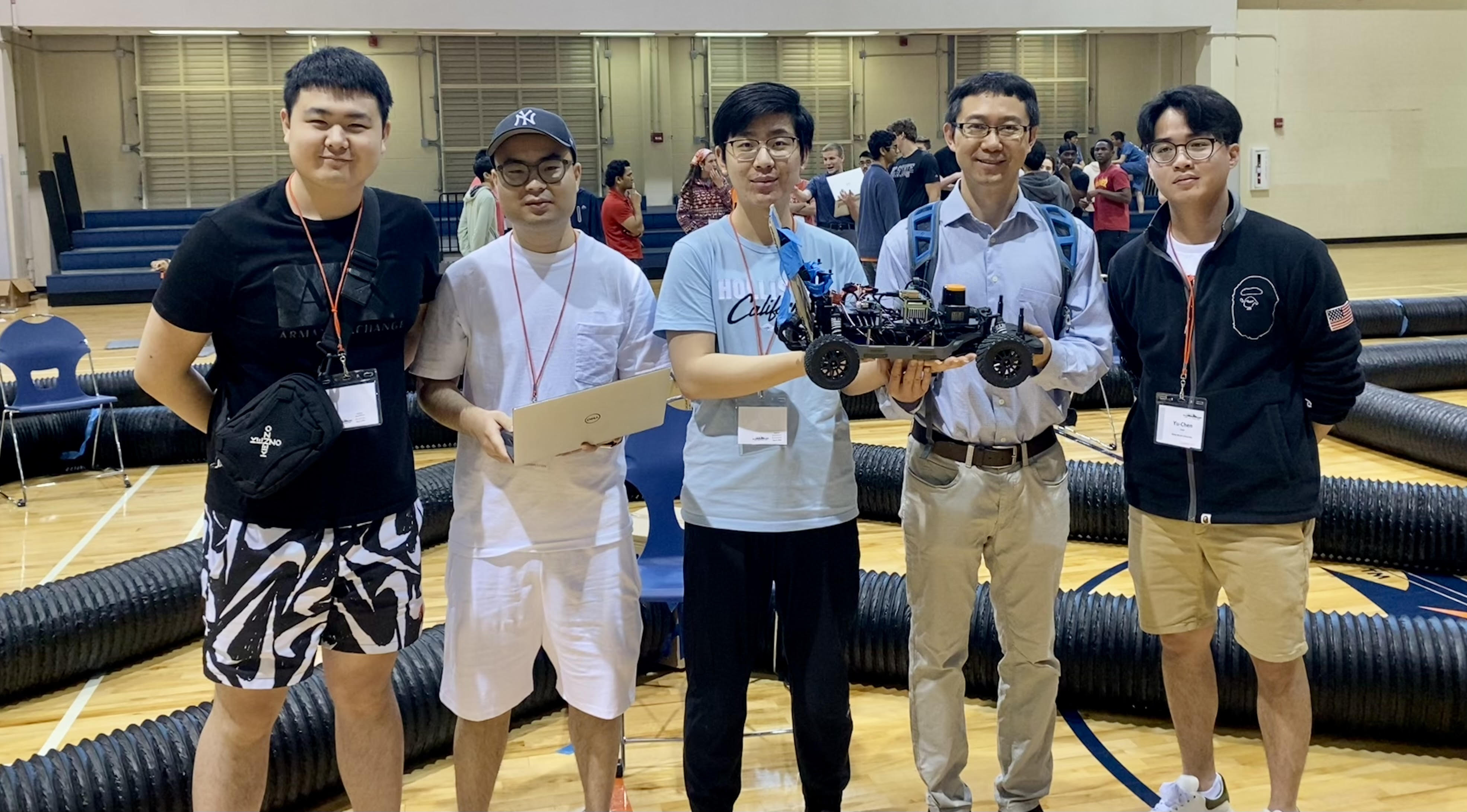 |
| Prof. Lin and the Stony Brook University team at the 12th F1TENTH AUTONOMOUS GRAND PRIX |
Prof. Lin’s research group is specifically focused on three pivotal domains: smart health technologies, smart city infrastructure, and the development of resilient systems.
While many medical and health systems are capable of performing procedures and delivering treatments autonomously, they often lack essential patient context, including vital signs, physical activity, and mental status. This lack can significantly affect the effectiveness of the procedure or treatment, even jeopardizing patient safety. Consequently, these systems typically require extensive manual calibration and cannot function safely in a fully closed-loop fashion. Prof. Lin and his team focus on addressing this issue by incorporating real-time patient context sensing and offering personalized recommendations. This develops predictive decision support systems for medical devices, such as the artificial pancreas and the electric toothbrush.
In the era of smart cities, intelligence is increasingly integrated into urban infrastructure and services, enhancing efficiency across individual city services. For instance, on-demand ride services and patrol operations leverage predictive analytics to optimize their operations. However, the interconnection of multiple services operated by diverse stakeholders can lead to tight couplings or even conflicts. As Electric Vehicles (EVs) gain popularity, the mutual reliance between EV fleet-based transportation services and the power grid grows. Prof. Lin’s project is dedicated to developing frameworks and algorithms that enable smart services to autonomously achieve Pareto optimal performances on a large scale. Here Pareto optimal is a technical term in game theory, which refers to a state where no action or allocation is available that makes one individual better off without making another worse off.
Resilient systems, such as autonomous vehicles, power grids, and medical devices, are expected to exhibit safety- or mission-critical behavior even in the presence of internal faults or external disturbances. Reasoning about resilience in cyber-physical systems and creating resilient systems are considered an open challenge in the recently published IEEE Control for Societal-scale Challenges: Road Map 2030. In response to this challenge, Prof. Lin and his collaborators have developed a framework based on Signal Temporal Logic (STL) for specifying and reasoning about resiliency in CPS. Furthermore, they have designed a framework for resilient control of CPS subject to STL-based requirements.
Prof. Lin’s research is driven by real-world data and emerging system requirements and focuses on integrating intelligence into Cyber-Physical Systems.
Prof. Lin and his group closely collaborate with experts from medical schools, hospitals, and city governments on interdisciplinary projects. The group collaborated with an endocrinologist at the Stony Brook Diabetes Center for an artificial pancreas project. Additionally, they engage with the city government of Newark on a smart city initiative. These collaborations not only grant access to valuable data but also facilitate the deployment and testing of their solutions in clinical and real-world environments.
Prof. Lin’s research potentially has significant impacts, including enhancements in patient safety and the quality of home healthcare within medical systems, increased flexibility, and reduced operational costs for city services, as well as the development of more resilient drones and microgrids.
Prof. Lin finds it fascinating to envision the future of the world and computing systems. He enjoys pondering how AI could shape medical systems, city infrastructure, and resilient systems. This imaginative process often sparks his creativity. During moments of deep reflection, like on a long drive, Prof. Lin often finds himself gaining fresh perspectives on the problems he’s considering. During his work on electrical toothbrush systems, Prof. Lin and his team noticed that popular brands like Oral-B and Philips utilize motion sensors and even camera sensors to monitor toothbrushing, yet they often lack precision in tooth surface coverage and tracking accuracy.
After evaluating this challenge for a month, an idea struck him: the rotation of the toothbrush head, powered by a motor, could generate a unique magnetic field enabling precise localization within a user’s mouth. Building on this insight, Prof. Lin and his team developed a magneto-inductive sensing-based electrical toothbrushing system that surpassed existing market solutions. Their findings were published in a paper presented at MobiCom in 2020.
In a future scenario of where AI manages city services, challenges arise when these services need to cooperate or resolve conflicts with one another. Given their diverse goals and stakeholders, finding a clear solution seems elusive. After extensive contemplation, an unconventional idea emerged: what if AI agents could communicate and negotiate with each other independently to reach mutually beneficial solutions? This inspired Prof. Lin and his team to develop a framework called DeResolver for future smart city services. Their innovative approach was recognized with the Best Paper Award at ICCPS 2021.
Prof. Lin’s research has been funded by NSF, DOE, and industry, such as Bosch Research. The group has obtained patents on a number of their works. Students love to work on real problems that have real-world impacts. Considering the popularity of health and IoT applications among students, the research experience is expected to significantly promote the research involvement of students, which could have a long-lasting impact on their careers as scientists and engineers.
Below are some of Prof. Lin’s PhD students who recently graduated:
Kin Sum Liu (Machine Learning Researcher at X Corp.)
Hua Huang (Assistant Professor at the University of California, Merced)
Hao-Tsung Yang (Assistant Professor at National Central University, Taiwan)
Yukun Yuan (Assistant Professor at the University of Tennessee Chattanooga)
Hongkai Chen (Assistant Professor at the Chinese University of Hong Kong, Hong Kong)
Prof. Lin is very grateful to all of his students and collaborators, including his PhD advisor John A Stankovic, and to Jie Wu, Insup Lee, George Pappas, Jie Gao, and Scott Smolka for their support of his work.
Finally, Prof. Lin uses his research results to develop graduate and undergraduate course modules, such as ESE 534 Cyber Physical Systems and ESE 543/343 Mobile Cloud Computing.
AI is increasingly present in all aspects of technology and our society. This is due to the work and efforts of researchers like Prof. Lin, his students, and his collaborators.
In a remarkable advancement within the field of quantum computing, Prof. Peng Zhang has pioneered the Universal Variational Quantum Eigensolver (VQUE) for Non-Hermitian Systems. Traditionally, quantum algorithms have focused on Hermitian matrices, which are well-suited to the capabilities of quantum computers. However, the VQUE algorithm breaks new ground by extending these capabilities to the domain of non-Hermitian matrices.
Non-Hermitian matrices are prevalent in various scientific and engineering disciplines, notably in the analysis of power systems, where they play a critical role in understanding system dynamics and stability. The VQUE algorithm extending its utility to a wider range of problems. This development contributes to the evolving landscape of quantum algorithms, offering new opportunities for practical applications.
VQUE is an innovative algorithm that is uniquely capable of computing the eigenvalues of non-Hermitian matrices. It leverages the foundational principles of Schur’s triangularization theory, traditionally a classical mathematical method, and adapts it to the quantum context. This adaptation allows VQUE to handle non-unitary matrices, which has been a significant challenge for quantum algorithms. A notable aspect of VQUE is its compatibility with noisy intermediate-scale quantum (NISQ) computers, making it a versatile tool for current quantum computing platforms.
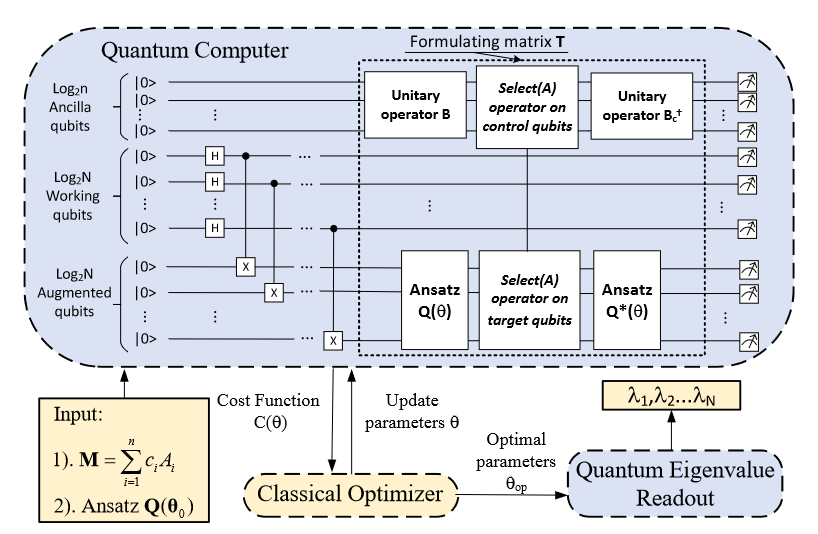
Schematic diagram of Variational quantum universal eigensolver (VQUE)
One of the key innovations in VQUE is the Quantum Process Snapshot technique. This method is pivotal in ensuring that VQUE maintains the computational advantages of quantum algorithms. It efficiently checks whether a unitary operator is triangular, a crucial step in the algorithm, with the addition of only a few quantum gates. This efficiency is vital in preserving the speed and power that quantum computing brings to the eigensolver problem.
The real-world applicability of VQUE has been demonstrated through its successful deployment on an actual quantum computer. This practical application is a critical test of the algorithm’s feasibility and effectiveness. In addition, extensive parametric studies have been conducted to assess the scalability and performance of VQUE across different scenarios and applications. These studies are essential in understanding the range and limits of VQUE's capabilities.
The research also brings to light several challenges that need to be addressed for the wider adoption of VQUE. One of the primary challenges is the need for efficient methods to decompose non-Hermitian matrices into a form suitable for quantum computing. Additionally, optimizing the algorithm for specific applications and managing the computational demands, especially in large-scale problems, remain areas of ongoing research and development.
In conclusion, the development of the Universal Variational Quantum Eigensolver is a noteworthy achievement in the field of quantum computing. It opens up new possibilities for solving complex problems that involve non-Hermitian matrices, a task that was previously out of reach for quantum algorithms.
Dmitri’s interests revolve around the development of novel semiconductors structures for quantum photon detection and integrated systems for remote sensing and imaging. Spectral responses of designed sensors vary from long wave infrared (LWIR) to soft x-ray ranges. These III-V compound semiconductor structures are grown in-house by Gela Kipshidze with the Molecular Beam Epitaxy (MBE) system maintained by the Optoelectronics Group. Semiconductor wafers are processed into devices and tested by students. The research is performed in three directions: photon detectors for imaging in LWIR, beam steering devices for LIDAR (optical radar) and photodetector arrays for soft X-ray beam position monitoring.
Details of each follow below.
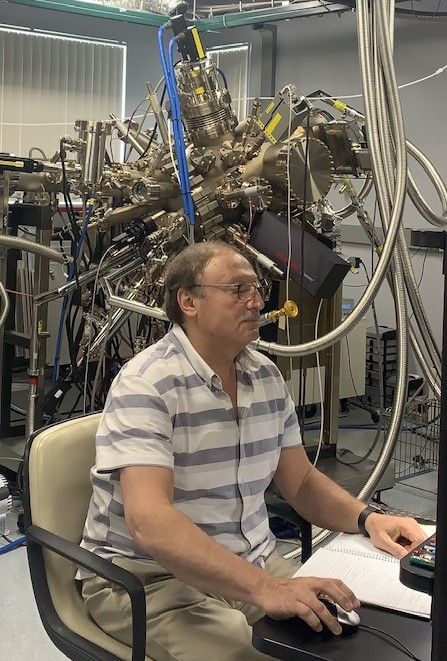 |
| Stony Brook Molecular Beam Expitaxy System with Gela Kipshidze |
Most information is obtained by imaging. Imaging in LWIR range (photon energies < 0.1 eV) allows for capture of thermal emission of objects in complete darkness, and can reveal minor temperature differences on object surfaces. LWIR radiation can pass through fog, smoke, and dust due to reduced light scattering. It is used for studying climate changes. LWIR imaging can be used in medical diagnostics, such as identifying inflammation, tumors, or irregularities in blood flow.
For high contrast low noise imaging in the long wave infrared range, the sensors should possess the greatest quantum efficiency – delivering the highest photocurrent for a given number of photons. The sensor heterostructures are being grown in-house by the Optoelectronics Group’s MBE system and processed into detectors of various dimensions for measurement of device benchmark parameters. These heterostructures utilize the InAsSb sensing region with lattice constants greater than that of GaSb substrate which removes constraints present in competing designs.
It should be noted that InAsSb is a semiconductor material created by alloying InAs and InSb compounds (where In is Indium, As is arsenic and Sb is Antimony). The development of technology for the growth of high-quality InAsSb compounds with elevated lattice constants in Stony Brook resulted in a pleasant discovery that these materials exhibit much lower energy gaps compared to what was commonly believed possible for many years and can be used for sensing applications in the long wave infrared range. The novel approach enables the use of InAsSb absorbers with large Sb compositions which results in 2-3 fold greater absorption and an order of magnitude greater carrier mobility necessary for the realization of sensors with high quantum efficiency. The project involved two students, Jingze Zhao currently working toward his PhD and Jinghe Liu who recently graduated and now works at Apple. The project is sponsored by the Center for Semiconductor Modeling at the Boston University, the Army Research Laboratory, and industry.
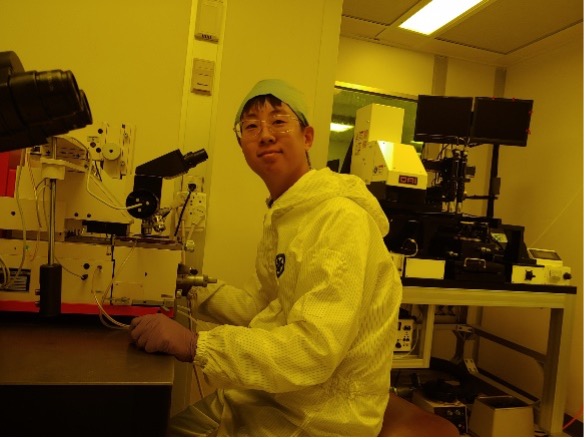
Jingze Zhao is performing mask alignment in processing the InAsSb-based heterostructures grown in house by MBE into long-wave infrared sensors for research toward his PhD degree.
Navigation systems of autonomous vehicles rely on fast and accurate determination of distances to objects and object shapes, made possible by mapping scenes with a pulsed laser also known as Light Detection and Ranging (LiDAR). Applications of LWIR lasers make LIDAR operation less dependent on poor weather conditions. In many applications, the use of moving mirrors for laser beam steering is not sufficiently fast and reliable. Electrical control of the refractive index of long-wave infrared materials with the use of the electro-optical effect required high voltage high power drivers operating on a load with reactive impedance limiting the electrical bandwidth due to challenging impedance matching.
It was recently shown however that InAsSb alloys grown by the MBE system can be used for electrical control of the refractive index of the materials in mid-wave and long-wave infrared ranges with bandwidths of tens of MHz with low voltages and currents compatible with CMOS electronic circuits. This makes possible electronic beam steering. The devices can be designed with an active impedance for broadband impedance matching and integration of the beam steering devices with driver electronics into a compact system. The project is sponsored by the Army Research Office.
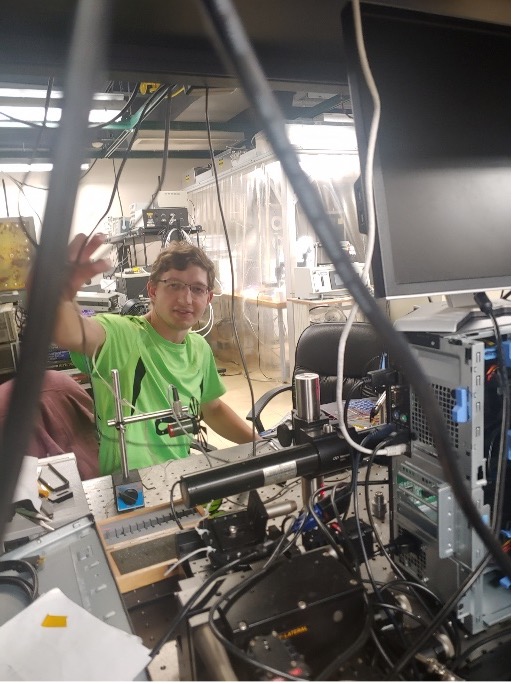
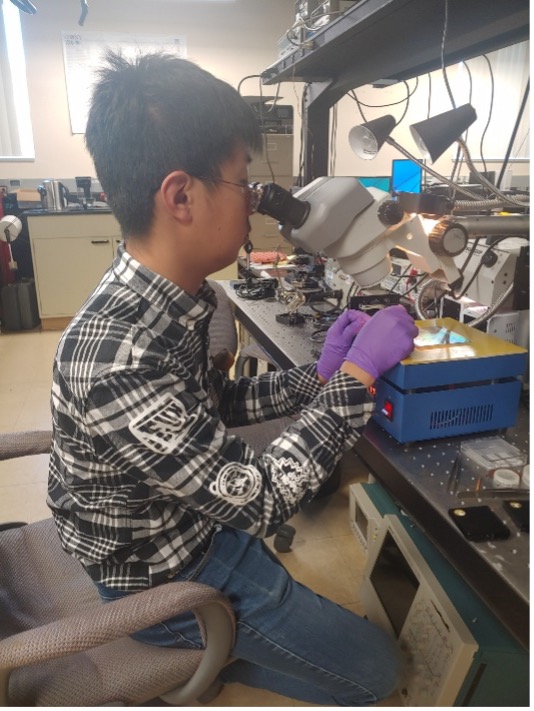
Kevin Kucharczyk is measuring the GaAs photodiode responsivity (left). Jingze Zhao is mounting InAsSb detectors (right).
Imaging with coherent soft X-rays (photon energies up to 2 keV) is essential to advance our understanding of the laws of nature, material, and biological research. It is performed by mapping the light scattered by an object with a scanning CCD camera over a period of several hours followed by image reconstruction. The fundamental resolution limit for coherent soft X-ray imaging is due to the finite stability of electron and photon beams in synchrotron light sources. Getting artifact-free images requires monitoring and maintaining photon beam positional stability down to micron-level accuracy.
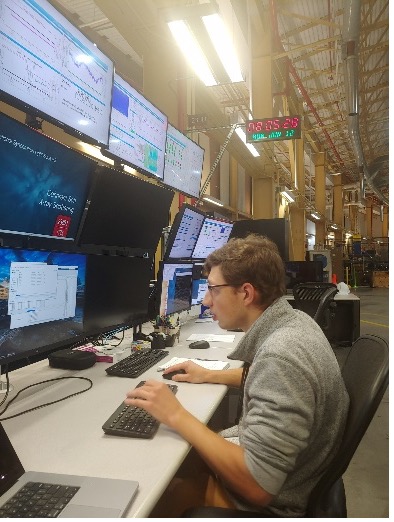 |
| Kevin Kucharczyk is collecting the data on responsivity the semiconductor sensors fabricated at Stony Brook and installed at the Coherent Soft Xray beamline CSX23 at the NSLS-II. |
The commonly employed X-ray beam position monitors for hard X-ray range are based on photoemission from metals. In the soft X-ray range, this approach is not acceptable for coherent beamlines due to a drop of photoemission in the soft X-ray range which requires a deeper penetration of the metal blades used in the traditional approach into the beam. The latter results in unwanted wavefront distortion so that non-invasive in-situ beam position monitors for coherent soft X-rays virtually do not exist.
In this project conducted at the National Synchrotron Light Source NSLS-II at Brookhaven National Laboratory, we proposed to use semiconductor arrays of photodiodes placed in a halo of the X-ray beam. The internal photo-effect in semiconductors results in the generation of a much larger number of hole pairs compared to photoemission in metals which offers superior responsivity and response linearity of semiconductors sensors in the soft X-ray range and reconstruction of the beam center position by measurements of the beam intensity in a halo without disturbing the beam wavefront distortion and coherency. The project is sponsored by the US Department of Energy Brookhaven National Laboratory.
Dmitri Donetski is with Stony Brook University since 1996.
Semiconductor devices are the foundation of our technological civilization. New and novel materials and devices enable the increasing progress we all witness. The Stony Brook Electrical and Computer Engineering Optoelectronics Group works in this exciting area. One of its faculty members, Prof. Sergey Suchalkin, works on material and devices that can be used in chemical sensing systems, namely in low-cost rugged methane sensors, rapidly tunable lasers that can be used in high accuracy chemical sensors and free space optical FM communication systems. He also works on new semiconductor nano-materials with high sensitivity to the external magnetic field, which is expressed in a huge electron g-factor of 104 which is 50 times more than the free electron g-factor, which can be used as new platform for quantum information processing.
Generally, the Optoelectronic group, founded by Prof. Belenky, has many years of experience in development, fabrication and characterization of semiconductor materials. This experience in combination with world-class equipment and capability for its support put the Optoelectronics group among the world leaders in development of Sb-based materials. Another important asset of the group is that it is a nucleation center of a large collaborative network which includes Army Research Laboratory, Brookhaven National Laboratory, National High Magnetic Field Laboratory, and Georgia Institute of Technology, etc.
Specifically, Prof. Suchalkin’s research proceeds in two directions:
The first is developing new compound semiconductor materials with controllable electronic and optical properties. By varying the spatial order of atoms in a crystal one can control its physical properties almost as well as by changing the chemical composition. Graphite and diamonds are good examples. The semiconductor crystal growth technique one can use is called molecular beam epitaxy or MBE. This technique allows growing compound semiconductor crystals by depositing different atoms layer by layer in a high vacuum onto a dummy crystal called a substrate. The resulting structure comprises many layers of different materials while preserving the crystalline order throughout the entire stack. Such compound crystals are called heterostructures and they are the basis for most of the contemporary semiconductor devices.
A strong limitation of this technique is that the lattice constant of all the layers should match that of the substrate which narrows the range of possible chemical compositions of the layers. The new MBE growth method developed in the Optoelectronic group relieves this constraint and opens the way to synthesis of new semiconductor materials. By carefully designing the layer composition and width one can control the structure properties such as carrier dispersion, refractive index or sensitivity to the magnetic field.
Among the materials Prof. Suchalkin is working on is a new InAsSb narrow gap semiconductor with the carrier dispersion similar to that of graphene, but unlike the graphene it can be made arbitrarily thick. These materials are highly susceptible to the external magnetic field and can be a platform for new generation of long wavelength optoelectronic devices and devices for quantum information processing. One of the examples is topologically protected qubits based on the Majorana fermions. To build such devices one needs a semiconductor material which has very high magnetic sensitivity (high g-factor) and is able to form a good interface with a semiconductor. The group’s approach to the synthesis of such material is based on tailoring its properties by assembling it as a stack of carefully selected nanolayers rather than designing a crystal with a new chemical composition
The second direction is the development of optoelectronic devices operated in mid- and far-infrared. These include rapidly tunable lasers for chemical sensing and free space communications. Prof. Suchalkin and his group developed rapidly tunable quantum cascade lasers operated in long-wave infrared (~10um). The tuning principle is based on the electrical or optical control over the effective refractive index of the laser mode. Among their inventions is dual color infrared light emitting diodes for low-cost non-dispersive chemical sensors. The emission “color” of such a LED depends on the polarity of the bias.

Low cost and rugged methane sensors would find many uses within the natural gas industry (methane is a key component of natural gas) and even in rocketry where methane can be used as a rocket fuel (as in SpaceX rockets).
Generally, rapidly tunable lasers can be used in high accuracy chemical sensors in medicine, astronomy and industry. Such rapidly tunable lasers can be a key element in free space optical FM communication systems including for satellite applications.
Finally, new materials that are very sensitive to magnetic fields can be used as a foundational material for quantum information processing.
Prof. Suchalkin and co-inventors hold 5 patents in these areas. He receives funding for his research from the National Science Foundations, the Army Research Office, and from industry.
Beside immediate benefits from the development of new semiconductor devices, there is a general impact of the group’s research on the infrared semiconductor optoelectronics through better understanding of semiconductor physics and technology. Also, the group introduces K-12 and undergraduate students to the contemporary concepts of physics by teaching classes, organizing lab tours and Physics nights in local schools as well as proctoring physics Olympiads (Physics Bowl). Prof. Suchalkin has developed a detailed general physics course for middle and high school students and has been teaching it for more than 10 years in a Sunday enrichment program School Nova at Stony Brook (www.schoolnova.org).
The students working on the projects have a unique opportunity to participate in all the stages of device development from initial design and numerical simulations to fabrication and characterization. One of Prof. Suchalkin’s former students Seungyong Jung is the president of TransWave Photonics – a company, specializing on photonic integrated circuits, another student – Maksim Ermolaev is a scientist in IPG Photonics – a world leading company in high-power laser equipment.
Hesse Mechatronics and the Spellman High Voltage Power Electronics Lab at Stony Brook University have formed a new research alliance for high performance power electronics module packaging through a no-cost loaner program including a Hesse BJ 653 wirebonder and a Hesse Smart Welder SW1185.
Advanced power modules provide the bridge between the power devices and their applications, as the module design has a strong impact on the semiconductor’s real-world in-circuit performances. With the support from Hesse, the Spellman High Voltage Power Electronics Lab can provide full capability for advanced packaging solutions, from design to validation, to advanced Wide Bandgap (SiC/GaN) and Ultra-Wide Bandgap (Ga2O3 and Diamond) Power electronics systems. The Lab Is also well supported by ANYSYS, and in broader collaborations with the U.S. DOE, Sandia National Lab, Office of Naval Research, APEX Microtechnology, etc., in the field of advanced power module packaging research. It is expected that the Lab can serve as a unique elite research asset in the nation’s CHIP Acts effort and meet the research needs in the northeast region as well as the country.
The Spellman High Voltage Power Electronics Laboratory at Stony Brook University provides endless potential for cross-disciplinary collaboration, from computer and materials science to civil engineering and social sciences. Partnerships like these are critical to the success of Stony Brook’s engineering programs because they integrate the university’s commitment to experiential learning with real-time industry initiatives, standards and goals.
The Stony Brook Matters article, Powerful Partnership Supercharges the Future, contains more information about the university’s power electronics program and collaboration with Spellman High Voltage Electronics Corporation.
Autonomous agents are computational systems that can act independently and cooperate with other agents. In many real network applications, teams of autonomous agents with limited communication and observation capabilities must process massive amounts of heterogeneous, streaming data while simultaneously seeking (near-)optimal decision-making sequences in line with the team’s overall goals. To fulfill this need, Prof. Ji Liu and his students are working on a research project that aims to develop a theoretical framework, computational models, and scientific software tools needed to design, analyze, and test robust, resilient, communication-efficient, distributed reinforcement learning (RL) algorithms that will enable teams of agents to reliably and efficiently achieve their goals.
Previous distributed RL models have failed to account for sensing and observing capabilities of agents, and thus rely on global information, which is not readily available in distributed environments. To fill this gap, this project aims to build a revolutionary, fully distributed RL system for large-scale networked systems without using global information.
The research being led by Prof. Liu will greatly impact real-world application areas where distributed machine learning algorithms and decision-making methods are needed. Typical examples include motion planning of teams of mobile robots, and coordination of networked smart devices in an IoT environment.
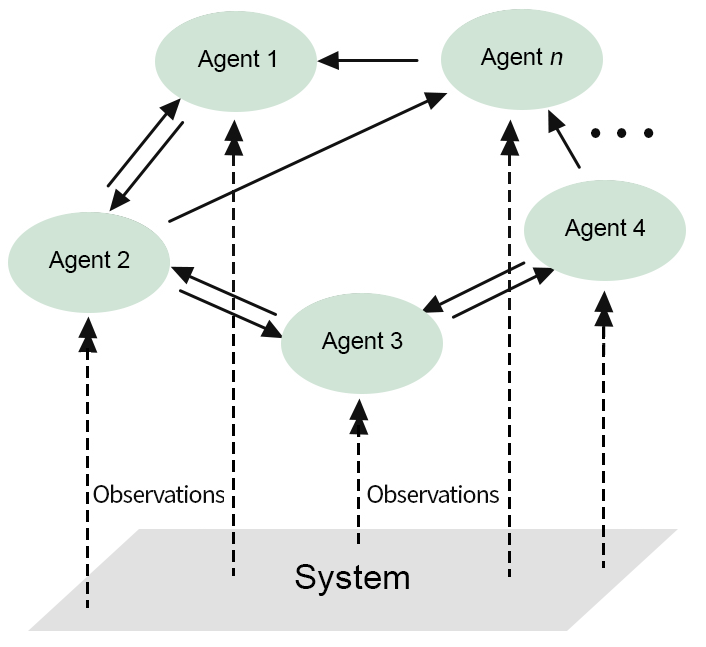 The key technical challenges in this project include bridging the gap between the
global and local observability settings and achieving resiliency in the presence of
dynamic and untrustworthy communications. To achieve the technical objective and tackle
technical challenges, the project investigates three main thrusts. The first thrust
establishes the fundamental novel theory for the design of fully distributed RL by
approximating global information via distributed estimation. The second thrust develops
robust distributed RL algorithms against time-varying communication and sensing capabilities,
communication delays, and asynchronous updating. The third thrust designs distributed
RL algorithms that are resilient to adversaries and malicious attacks capable of introducing
untrustworthy information into the communication network, by first designing communication-efficient
RL algorithms in which each agent can transmit only low-dimensional states, and then
designing resilient information fusion/aggregation approaches for small- and even
single-dimensional cases.
The key technical challenges in this project include bridging the gap between the
global and local observability settings and achieving resiliency in the presence of
dynamic and untrustworthy communications. To achieve the technical objective and tackle
technical challenges, the project investigates three main thrusts. The first thrust
establishes the fundamental novel theory for the design of fully distributed RL by
approximating global information via distributed estimation. The second thrust develops
robust distributed RL algorithms against time-varying communication and sensing capabilities,
communication delays, and asynchronous updating. The third thrust designs distributed
RL algorithms that are resilient to adversaries and malicious attacks capable of introducing
untrustworthy information into the communication network, by first designing communication-efficient
RL algorithms in which each agent can transmit only low-dimensional states, and then
designing resilient information fusion/aggregation approaches for small- and even
single-dimensional cases.
Prof. Liu’s group is currently focusing on the question of how to reliably perform computations in a distributed manner to a large class of consensus-based problems.
When asked what has surprised him most about this problem, Prof. Liu says there is a big gap between theories and practice. Some RL algorithms work in theory but do not function well in experiments.
This project promotes education and outreach activities, including broadening participation of female students in the field of machine learning, creating new courses, and designing research projects for K-12 students and undergraduates.
Three PhD students have been involved in the project, respectively focusing on RL algorithm design and analysis, resilient distributed algorithms, and asynchronous distributed algorithms. One student, Wesley Suttle, graduated in May 2022 and currently is a Distinguished Postdoctoral Fellow at the Army Research Laboratory.
The project is a good one for students because it involves a good combination of theoretical analysis and programming skills for RL which is a hot topic in both academia and industry. The project is funded by the National Science Foundation (NSF), Directorate for Computer and Information Science and Engineering (CISE).
Prof. Liu is well-positioned to lead the research efforts in this project with his background and strength in distributed control and optimization. His previous research focused on design and analysis of distributed control and computation algorithms for various problems such as consensus, distributed solutions to linear equations, distributed optimization, and distributed estimation for linear systems. The current project may be viewed as a natural continuation of these efforts.
Dr. Yifan Zhou joined the Stony Brook ECE faculty as an assistant professor this past September. Prior to this, she was a postdoc in the ECE department at Stony Brook, working with Prof. Peng Zhang. She received her Bachelor's degree with the highest distinction in 2014 and her Ph.D. degree in 2019, both from the Department of Electrical Engineering at Tsinghua University in China, a world-wide top university.
Her research focuses on learning-based, verifiable smart grids, which collaboratively integrates (1) machine learning, (2) quantum computing, and (3) formal verification for enabling intelligent, resilient, adaptive, and secured power system operations and supporting extreme renewable energy integration.
Figure: Overview of the established works of learning-based, verifiable smart grids.
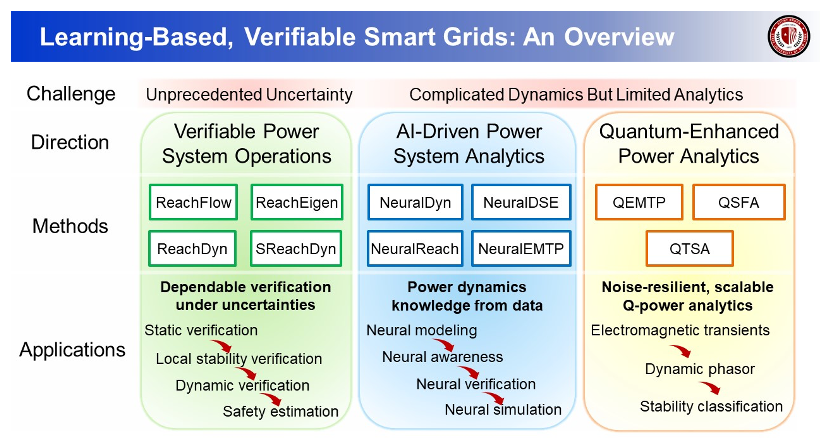
The common point of her research directions is that all three are driven by the urgent challenges that arise from the increasing penetration of the highly-uncertain, low-inertia renewable energy generations. The U.S. government has envisioned wind and solar energy to provide 90% of U.S. electricity by 2050. Consequently, we will have ever-increased renewable energies connected to power grids through the inverter interfaces, with renewable energy’s associated uncertainties.
These three areas will now be outlined in Prof. Zhou’s own words:
Figure: Illustration of the Quantum machine learning-based power grid Transient Stability Assessment (QTSA)
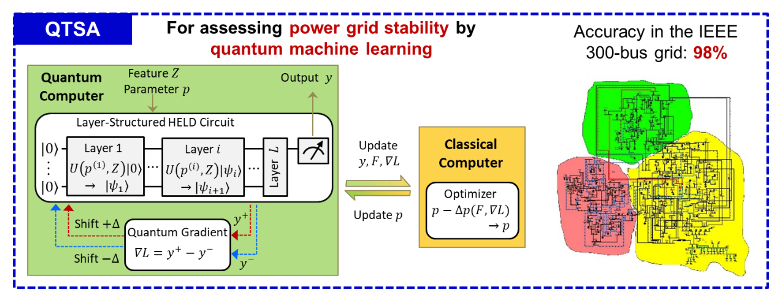
The power and energy area is developing very fast – there will be GW-levels renewables in the coming years. Massive integration of renewable energies is significantly reshaping modern power systems by introducing highly uncertain and low-inertia inverters. This provides huge opportunities in both industry and academia. Students working in these directions could be highly compatible for positions in power utilities, national labs, universities, etc.
Meanwhile, formal analysis, machine learning, and quantum computing are all cutting-edge
techniques not only applicable to power grids, but also usable for broad applications.
Therefore, working on these projects can also provide students with multi-discipline
knowledge in those directions as well as their engineering applications.
Currently, Prof. Zhou is offering a graduate course -- “Microgrids”. The course covers fundamental knowledge of renewable-dominated microgrids as well as cutting-edge technologies of microgrid analytics, where she includes three lectures to introduce how machine learning, quantum computing, and formal methods can benefit power grid operations. She is also advising senior design projects on quantum computing and quantum machine learning.
On the other hand, Prof. Zhou finds research-related lectures provide a fantastic way to let the students (especially undergraduate students and junior graduate students) experience how cutting-edge technologies find their way into engineering problems. She believes no matter what area the students are studying , training them with a scientific mindset for identifying and analyzing real-world problems and inspiring their creative ideas can always benefit their careers.
To fully unlock the potential of the Internet-of-Things (IoT), novel sensing and energy harvesting solutions are needed. Prof. Milutin Stanacevic and a team of Stony Brook researchers he leads are developing RF (radio frequency)-based sensing technology to cyber-enable (i.e. computerize) our physical environment. The technology is based on the tiny battery-less RF tags attached to objects or integrated into structures. These RF tags will be able to sense activities and interactions among various entities around them, both tagged and not-tagged. This enables applications such as fine grain tracking of human movements, activity and gesture recognition, human-object interactions and structure monitoring. These capabilities in turn will provide an ability to query and reason about the environment in order to infer a wide range of analytic information. All of this will be achieved without the occupants (humans) within the environment having to carry or wear any devices (device free).
While conventional RFID systems offer low energy cost communication on the side of RFID tags, the presence of an RFID reader limits the application of such systems beyond identification due to the high cost, low scalability and low granularity. Recently, tag-to-tag communication based on backscattering of ambient RF energy or a RF continuous wave signal from a dedicated exciter (i.e. RF source) has been established as an enabling technology for eliminating RFID readers from a network of RF tags. As the tags are tiny, inexpensive and passive and communicate directly with each other without a centralized active reader, they can be truly pervasive and the network of tag can become a part of the physical environment without requiring any additional infrastructure to operate. For granular and long-term monitoring, RF sensing has to be integrated in these miniature, self-powered tags.
The team’s invention, a passive tag-to-tag channel estimation algorithm, leads to a new leap in such tag technologies by providing them with the ability to “fingerprint” their surroundings and hence serve as a signature of specific activities in the proximity of the tags. Such RF processing was previously limited to high-power radios (e.g., WiFi) that are capable of active IQ demodulation to extract wireless channel characteristics that these techniques depend on. The uniqueness of the Stony Brook approach brings this technique to a near zero power regime so that they can be deployed over RF-powered tags that we assume will be pervasive in the future. The network of such RF tags naturally leads to a vast number of RF links in a physical space providing a much richer granularity and redundancy for activity recognition than competing technologies.
Wireless channel estimation, in addition to enhancing the performance of a communication link, offers a sensing modality that is amenable to monitoring the surrounding environment. The team devised a technique that enables tags to estimate the RF parameters of the wireless channel between pairs of communicating tags without the use of IQ demodulation. The proposed technique isolates the amplitude and phase of the tag-to-tag channel, leading to amplitude and phase estimates that are independent of the position of the exciter. As the analog-to-digital conversion of the envelope of the received backscatter signal is the only additional component for the tag with the RF sensing capability, the power consumption stays in the range of a self-powered device.
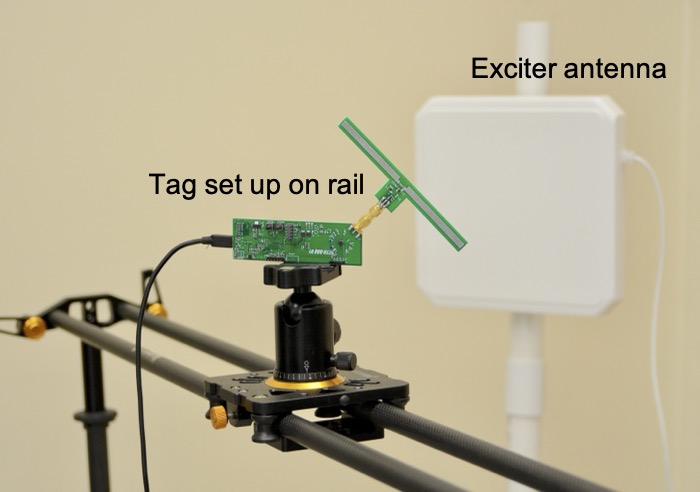 |
| Discrete implementation of an RF tag used in the experiments |
How did the Stony Brook team originate this idea? They previously worked on enhancing the tag-to-tag communication link and while doing the experiments, noticed that even a small movement around the tags, like typing on a keyboard a few meters away, affected the communication channel. That led the team to think about how to estimate the tag-to-tag channel.
This is a joint project between faculty at the Department of Electrical and Computer Engineering and Computer Science at Stony Brook, M. Stanacevic, P. Djuric, S. Das and A. Athalye. External collaborators include Z. Haas from University of Texas at Dallas (networking) and B. Glisic from Princeton University (structural health monitoring). Currently, the following students from the ECE department work on this project: Xiao Sha, Puyang Zheng, Dyumaan Arvind and Yang Xie. The project students from the ECE department that graduated are Yasha Karimi (Iota Biosciences) and Yuanfei Huang (Qualcomm).
The students involved work on the development of a cutting-edge technology across the design stack layers, from devices, circuits, system architecture to algorithms and applications. This provides them a unique perspective and experience.
The team intends to pursue commercialization of the proposed technology and they hope to see the first prototypes deployed in real-world demonstration within two to three years. There is a patent pending for the proposed technique.
The research is funded by three National Science Foundation grants that cover different design aspects and applications of the technology.
Instead of an invasive nasal swab, researchers at The Ohio State University Wexner Medical Center explored the use of a unique breath test for the rapid screening of patients for COVID-19.
Results from the initial study in patients, published in the journal PLOS ONE, found the breath test is highly accurate in identifying COVID-19 infections in critically ill patients.
“The gold standard for diagnosis of COVID-19 is a PCR test that requires an uncomfortable nasal swab and time in a lab to process the sample and obtain the results,” said Dr. Matthew Exline, lead researcher, director of critical care at Ohio State Wexner Medical Center University Hospital and professor of internal medicine at The Ohio State University College of Medicine. “The breathalyzer test used in our study can detect COVID-19 within seconds.”
COVID-19 infection produces a distinct breath print from the interaction of oxygen, nitric oxide and ammonia in the body. The breath detector device, developed by Pelagia-Irene Gouma, researcher and professor in the Department of Materials Science and Engineering and the Department of Mechanical and Aerospace Engineering at The Ohio State University and Milutin Stanaćević, associate professor in the Department of Electrical and Computer Engineering at Stony Brook University, can detect the breath print of COVID-19 in exhaled breath within 15 seconds.
“This novel breathalyzer technology uses nanosensors to identify and measure specific biomarkers in the breath,” said Gouma. “This is the first study to demonstrate the use of a nanosensor breathalyzer system to detect a viral infection from exhaled breath prints.”
The study followed 46 patients in the intensive care unit with acute respiratory failure that required mechanical ventilation. Half of the patients had an active COVID-19 infection and the remaining half didn’t have COVID-19. All patients had a PCR COVID-19 test when they were admitted to the unit.
Researchers collected exhaled breath bags from the patients on day 1, 3, 7 and 10 of their inpatient stay. The breath bag samples were tested within 4 hours of sample collection in a lab. The breath print was identified in patients with COVID-19 pneumonia with 88% accuracy upon admission to the ICU.
“PCR tests often miss early COVID-19 infections and results can be positive after the infection has resolved,” Exline said. “However, this noninvasive breath test technology can pick up early COVID-19 infection within 72 hours of the onset of respiratory failure, allowing us to rapidly screen patients in a single step and exclude those without COVID-19 on mechanical ventilation.”
The use of breathalyzer technology to rapidly diagnose patients with respiratory infections has the potential to greatly improve the ability to rapidly screen both patients and asymptomatic people. Future studies will look at the use of this technology for less severe COVID-19 patients and will explore whether other diseases and infections could benefit from it. The research team has applied to the U.S. Food and Drug Administration for emergency use authorization of the breathalyzer technology.
Dr. Andrew S. Bowman, associate professor in the Department of Veterinary Preventive Medicine at The Ohio State University College of Veterinary Medicine, contributed to this study.
A regional manufacturer of custom high-voltage power systems and one of Long Island’s top research institutions have teamed up to advance the next generation of power electronics, with benefits surging straight into your pocket.
Spoiler alert: You personally use power-electronics equipment every day. Your cellphone, your laptop, your dishwasher … power electronics are “everywhere,” according to Fang Luo, an Empire Innovation Associate Professor in Stony Brook University’s Electrical and Computer Engineering Department, and he would know.
The multi-PhD (from China’s Huazhong University of Science and Technology and the Virginia Polytechnic Institute and State University) is knee-deep in power electronics – in a nutshell, the application of solid-state electronics to the control and conversion of electricity (from alternating current to direct current, or vice-versa).
His knowledge in this field makes Luo the ideal man to direct SBU’s Spellman High Voltage Power Electronics Laboratory, which opened in April with funding provided by the Hauppauge-based Spellman High-Voltage Electronics Corp. Spellman is famous for its power-conversion and X-ray products, and the laboratory – under Luo’s steady hand – focuses on emerging technologies in electrical conversion and control, key to Spellman’s continued evolution.

“We are basically doing different designs for different circuitry, to improve their performance in different applications,” noted Luo, a senior member of the Institute of Electrical and Electronics Engineers and a member of both the American Institute of Aeronautics and Astronautics and the American Society of Mechanical Engineers. “The power line you use for your washing machine will be different than the power lines used in an aircraft, for instance.”
Aircraft factor heavily into the scientist’s work. Luo counts three “major projects” on his current agenda, including a comprehensive study of the efficiency, reliability and safety of power electronics in future NASA aircraft.
Through NASA’s University Leadership Initiative, led by the University of Illinois at Urbana-Champaign, Luo is helping to design mega-power motor drives for big planes – capable of carrying 300 people or more – powered by fuel cells. The cells run on liquid hydrogen, which requires extremely low temperatures to minimize power loss, which creates difficult logistical puzzles, according to the researcher.
“If your power-conversion unit gets too large, you can’t seat that many people on the aircraft,” Luo noted. “We are trying to realize higher efficiency and high power-density conversion on board the plane.
“We’re targeting 99.95 percent efficiency – extremely high efficiency designs,” he added. “This has never been heard of before, but we’re getting there.”
Another flight-focused project under Luo’s wing involves modern electrical systems for commercial aircraft, with the Federal Aviation Administration funding research centered on reliability and safety concerns.
“We always hear that going ‘all-electric’ is a good thing for the environment, but what about reliability?” Luo said. “What if you’re mid-flight and something fails?”

To address this very real concern, the FAA-funded work focuses on the creation of
small platforms that work within modern-electronics architectures. Already one year
into a three-year project, Luo and his team – including contributions from Raytheon Technologies, the University of Illinois and the University of Arkansas – are “modeling different failure models and understanding the root cause of these
failures in electrical aircraft,” according to Luo.
“The goal is to provide answers to these equations and provide accurate models of new platforms, one by one,” he noted.
A third major project on his busy itinerary has nothing to do with aviation: Funded by the U.S. Department of Energy’s Office of Electricity, Luo is assisting a “green modernization effort” aiming for more reliable and efficient “modular architecture” for next-generation power grids.
Led by researchers at Tennessee’s Oak Ridge National Laboratory, the project pursues new standards for low-carbon power converters – potentially, “a huge boost to the power-electronics industry,” according to Luo.
The oft-published scientist – who’s authored or co-authored more than 50 peer-reviewed conference papers, 20-plus journal papers and one book on power electronics – credited the facilities and administrative support of SBU’s Advanced Energy Research and Technology Center with furthering his work on these and other important projects.

“They don’t just open the facility and say, ‘Go use it,’” Luo noted. “They create opportunities to engage with different partners and different collaborators.
“[The AERTC] is a huge, comprehensive platform in terms of environment and industrial connections.”
The Spellman Lab was able to stay its course through the latter stages of the COVID-19 pandemic largely due to the leadership provided by AERTC Chief Operating Officer David Hamilton and his executive team, which helped Luo and the roughly one dozen graduate students under his command continue their hands-on work even as social distancing and remote work held sway.
“What we are doing is not just simulations,” Luo noted. “We need to have people there making it work.”
Day and night shifts, strict PPE requirements and other protocols kept the electrons flowing – and now, with many of those restrictions loosened or removed altogether, the Spellman Lab is on course “to become another Center of Excellence for New York State, focused on electrification and power conversion,” according to its director.
“Together with my colleagues, we’re creating a big part of a sustainable energy future,” Luo said. “A lot of good things (are) shaping up for Long Island.”
Photovoltaic electric power generation is becoming more and more common and its use is likely to grow as time goes on. However operators of electric power systems with a large photovoltaic component have a hard time predicting the behavior of the power systems. There is an urgent need for effective and accurate transient (i.e. short time frame) and dynamic (as it happens) simulation methods for power systems with high photovoltaic penetration. A team involving three Stony Brook faculty and a post-doc led by Prof. Peng Zhang recently received a major US Dept. of Energy award to fulfill this need.
The Stony Brook Solar Plus project uniquely employs physics-aware machine learning techniques to address power system modeling and analysis problems in renewable-dominated power systems. The team has found that the learning-based modeling and physics-informed dynamic analysis can achieve surprisingly high-fidelity results compared with the traditional physics model-based models and results, and exhibits superior robustness and generalization ability. The learning-based algorithms will also achieve highly efficient power system analytics with orders of magnitude (i.e. many factors of ten) computational speedup.
This project will significantly promote power system modeling with massive photovoltaic generation and accelerate transient simulations of such power systems. The models and tools will enable utilities and ISOs to perform highly efficient and accurate power system analytics, including dynamic analysis, transient stability analysis, contingency screening, etc.
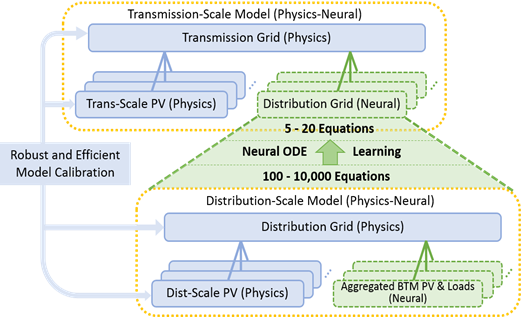 |
| Ultra-Scalable PV Modeling. Figure courtesy of Yuzhang Lin, Xiangqi Zhu, and the Stony Brook team. |
This Solar Plus project addresses the fundamental operational obstacles in power systems with high photovoltaic integrations. The proposed solutions will address the DOE’s Solar Energy Technologies Office (SETO)’s mission of decarbonizing the electricity system by 2035.
The Stony Brook team consists of principal investigator Prof. Peng Zhang and co-principal investigators Prof. Yue Zhao and Prof. Xin Wang and post-doc Yifan Zhou. The team has extensive expertise, resources, and experience needed for the transient/dynamic modeling and simulation of photovoltaic systems and large power grids, physics-aware machine learning, etc. The team has also received several large federal grants (e.g., AI-Grid, a 5M NSF project) to work on dynamic, stability and control of renewable-dominated power systems using AI techniques, which gives a solid foundation for this project.
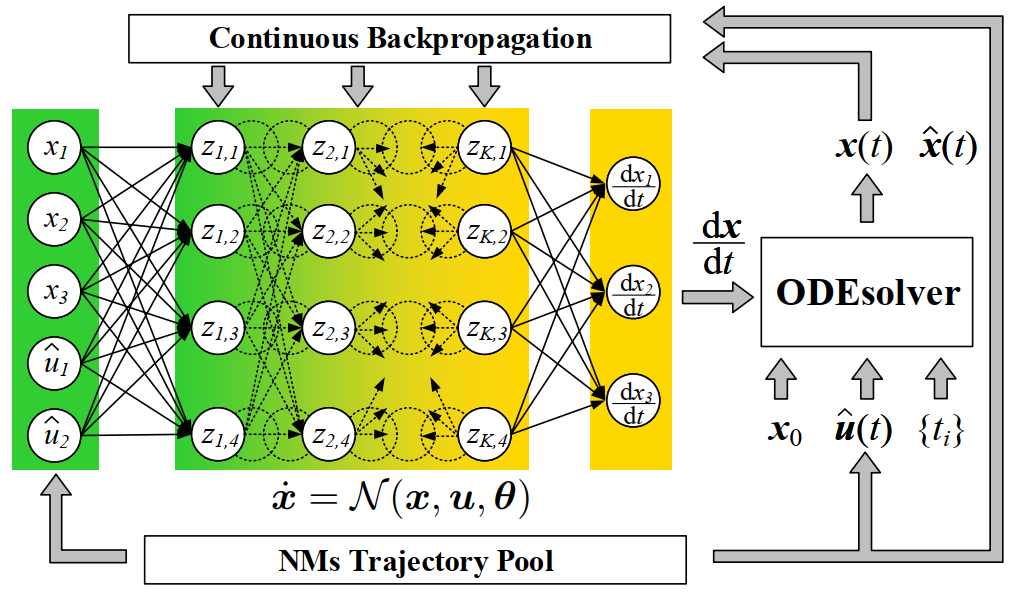
Other participating institutions on the Solar Plus project are Brookhaven National Laboratory (BNL), National Renewable Energy Laboratory (NREL), University of Massachusetts-Lowell (UML), University of Connecticut (UConn), Eversource Energy, New York Power Authority (NYPA), National Grid, and PSEG Long Island (PSEG LI).
Note that SBU and BNL have collaborated on two DOE projects on grid stability, analytics, and cyber security. SBU, and UML, UConn, Eversource Energy, and NREL are collaborative partners on multiple projects.
Stony Brook University professor Peng Zhang, a SUNY Empire Innovation professor in the Department of Electrical and Computer Engineering, is leading a statewide team of collaborators in developing “AI-Grid,” an artificial intelligence-enabled, autonomous grid designed to keep power infrastructure resilient from cyberattacks, faults and disastrous accidents.
The work is part of the National Science Foundation’s (NSF) Convergence Accelerator Program, which supports and builds upon basic research and discovery that involves multidisciplinary work to accelerate solutions toward societal impact.
In September 2020, the program launched the 2020 cohort, which included AI-Grid as a phase 1 awardee and grant funding of a $1 million to further AI-Grid research from an idea to a low-fidelity prototype. The Convergence Accelerator recently selected teams for phase 2, to focus on expanding the solution prototype and to build a sustainability plan beyond the NSF funding. Under phase 2, a new $5 million NSF cooperative agreement will fund the AI-Grid project.
“This project led by Professor Zhang is a great example demonstrating the impact of this novel research on essential infrastructure that we rely on daily, and defines a pathway for enhancing the resiliency and security of our electrical grid systems,” said Stony Brook University Vice President for Research Richard J. Reeder.
“We expect to show that our AI-Grid solution is affordable, lightweight, secure and replicable, thus offering what could be unprecedented flexibility for an approach to transform today’s infrastructures into tomorrow’s autonomous AI-Grid,” said Zhang, the project’s principal investigator. “This project will demonstrate AI-Grid’s capability to empower our nation’s digital economic engines, relieve the pains of those communities suffering from high electricity costs, and knock out low energy reliability and poor resilience.”
According to Zhang, the program includes a broad multidisciplinary team of researchers and many academic and industry partnerships key to its success. The AI-Grid team has established more than 30 partnerships that include power utilities, independent system operators, local and state government, industry and university researchers. Zhang said these partnerships have significantly advanced the technology involved in the work that now includes various deep learning methods, online distribution control, encrypted control, active fault management, and a fully programmable microgrid platform.
“The technologies that Peng and his team are developing come at a critical time as the nation pivots toward renewable energy and the inevitable impact it will have on the grid in the coming decade,” said College of Engineering and Applied Sciences (CEAS) Interim Dean Jon Longtin. “This kind of multidisciplinary collaboration strengthens our research enterprise, while demonstrating to our students how complicated problems are solved in the modern world.”
Collaborative work at Stony Brook includes faculty and students in the Department of Electrical and Computer Engineering and the Department of Computer Science, in conjunction with scientists, engineers and stakeholders affiliated with the Advanced Energy Research and Technology Center (AERTC), and with those from Brookhaven National Laboratory, EIP, RTDS, Hitachi America, Eversource, CCAT, ISO New England, New York Power Authority, PSEG Long Island and Worcester Polytechnic Institute.
Stony Brook co-investigators include Scott Smolka, Scott Stoller, Xin Wang and Yifan Zhou. They will work with Zhang to deploy AI-Grid in the field and verify its replicability and universality at three of the most representative networked microgrid sites in the U.S.
“A convergence approach is essential to solving large-scale societal challenges, which is why the NSF Convergence Accelerator requires our funded teams to include a wide-range of expertise from academia, non-profits, industry, government and other communities,” said Douglas Maughan, head of the NSF Convergence Accelerator program. “The merging of ideas, techniques and approaches combined with human-center design concepts assists our teams in accelerating their ideas toward solutions within three years.”
Most recently, the AI-Grid team established end-user partnerships with Energy and Innovation Park, a fuel cell grid-connected energy project in Connecticut; Epic Institute, a global climate solutions organization that also manages The Plant — an old coal power plant being redeveloped into a global climate exhibition and convention center in New York City; and the Commonwealth Edison (ComEd) owned Bronzeville Community Microgrid (BCM) in Chicago.
These end-users will test, demonstrate and ideally implement the technology. The team will develop an open-access AI-grid technology platform with industry partners.
Prof. Emre Salman and doctoral candidate Ivan Miketic recently published a unique obfuscation technique to make digital computer chips more resistant to reverse engineering. Why is this important? One of the key security issues for chip design companies is reverse engineering. Reverse engineering involves several physical attacks to the chip to regenerate the circuit netlist. The “netlist” is the description of a circuit including the gates, inputs, outputs and their interconnections. Once the netlist is obtained, counterfeit designs that are not authentic can be fabricated. This is typically referred to as Intellectual Property (IP) theft. Reverse engineering poses a significant economic risk to the semiconductor industry due to lost profits and reputation. It also presents a considerable risk to consumers and private data.
The research community has actually developed several obfuscation techniques to protect circuits against reverse engineering or make reverse engineering attacks more difficult. These techniques, however, typically introduce significant overhead such as additional chip area and power consumption. In their work, Salman and Miketic leverage adiabatic circuits and some of their unique characteristics to develop a novel circuit obfuscation technique. The protected circuit is highly resistant against reverse engineering attacks with minimal overhead.
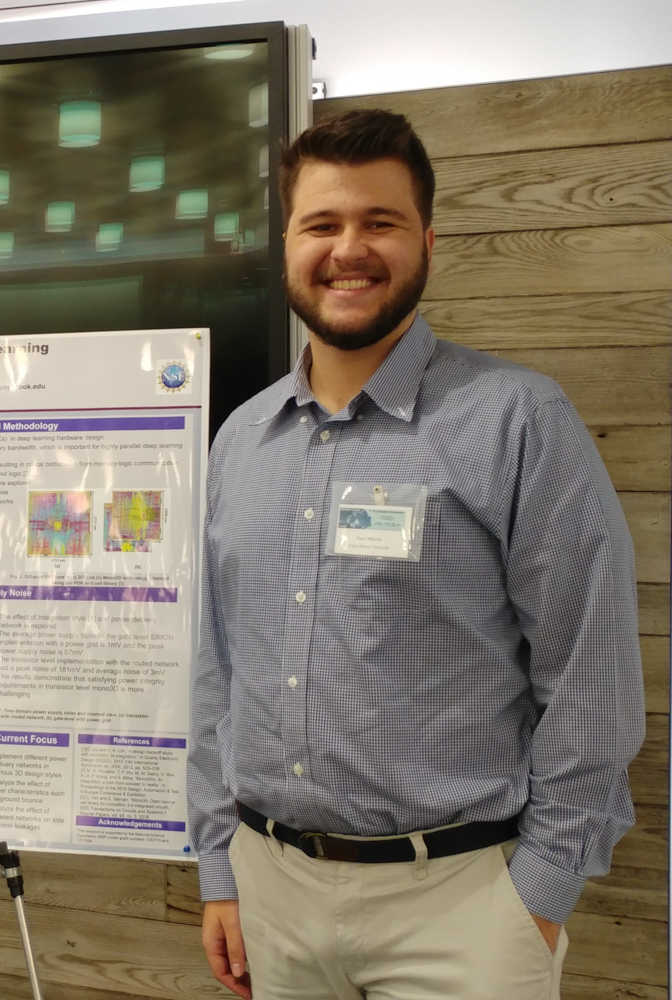 |
| Ivan Miketic |
The Stony Brook University team’s method is lightweight, meaning that it has much less overhead than conventional obfuscation techniques, while still achieving a high degree of protection against reverse engineering. The proposed technique is also more resistant to some of the advanced attacks since it is based on adiabatic circuits. These kinds of circuits are different than conventional approaches as they rely on certain phase differences among the gates for correct operation. Salman and Miketic use those phase differences in their technique to their advantage to obfuscate the circuit netlist. Thus, even though a reverse engineer uses sophisticated techniques to obtain the layout of the chip, they cannot figure out the real netlist without knowing what the true phase differences are.
Indeed, attackers can come up with advanced formal techniques to diminish the efficacy of circuit obfuscation techniques. Thus, the main objective of the research community is to make these attacks increasingly more difficult. Since the Stony Brook’s team approach relies on adiabatic operation, most of these advanced formal attack methods do not yet exist for these kinds of circuits. Salman and Miketic believe that their recent paper will contribute to the emergence of new research topics at the intersection of adiabatic circuits and reverse engineering.
How would the approach be used in practice? First, the digital circuit needs to be designed based on adiabatic principles rather than conventional static CMOS. There is limited design automation capability for such circuits. However, not the entire chip needs to be adiabatic, only the parts of the chip that need the most protection. It can even be possible to have these blocks ready as hard IP (i.e. already designed so it can be ‘inserted’ into the chip). Since Prof. Salman has had industry sponsorship for this research, he already sees some interest in adapting this idea for the security layer of the chip.
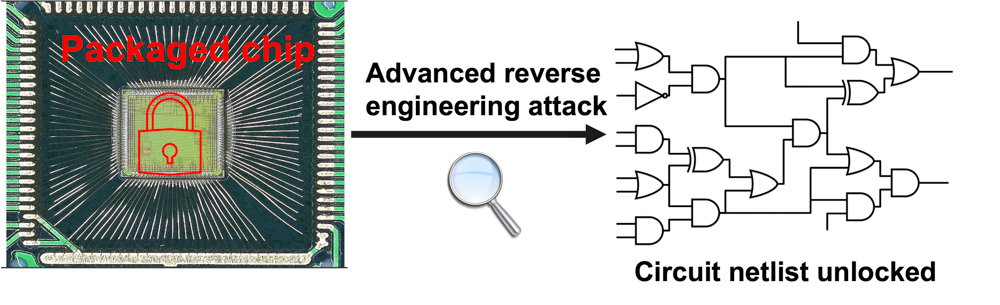
Prior to this project, Salman and Miketic had already been working on adiabatic circuits. As part of another project, they developed a method to use adiabatic circuits in RF-powered applications to achieve an order of magnitude reduction in power consumption. As they gained a deeper understanding of the operating principles of adiabatic circuits, they intuitively thought that it would bring some interesting advantages in the field of hardware security.
When Prof. Salman and Ivan Miketic first had the idea, they were excited about it as it was a very different approach than existing techniques and had the promise to deliver good results. As they started working on it, they faced several difficult issues to overcome, which they didn’t anticipate at the beginning. The research infrastructure Prof. Salman has in his lab as well as close communication with his students helped facilitate this research.
The Salman and Miketic paper was published at IEEE Transactions on Very Large Scale Integration Systems in May 2021 https://ieeexplore.ieee.org/abstract/document/9440196. This research was co-funded by Semiconductor Research Corporation (SRC) and National Science Foundation (NSF).
Prof. Petar Djuric, colleagues, and students have been looking at two health related topics with an emphasis on artificial intelligence and machine learning techniques. Here we look at two very interdisciplinary projects.
The first is “Rethinking Electronic Fetal Monitoring to Improve Perinatal Outcomes and Reduce Frequency of Operative Vaginal and Cesarean Deliveries.” The main objective of the research is to use recent breakthroughs in machine learning to develop predictive analytics to support and improve the interpretation of electronic fetal monitoring data in the last couple of hours before delivery. The challenge is to accomplish this under real world conditions and in real time where clinicians must make timely decisions about interventions to prevent adverse outcomes.
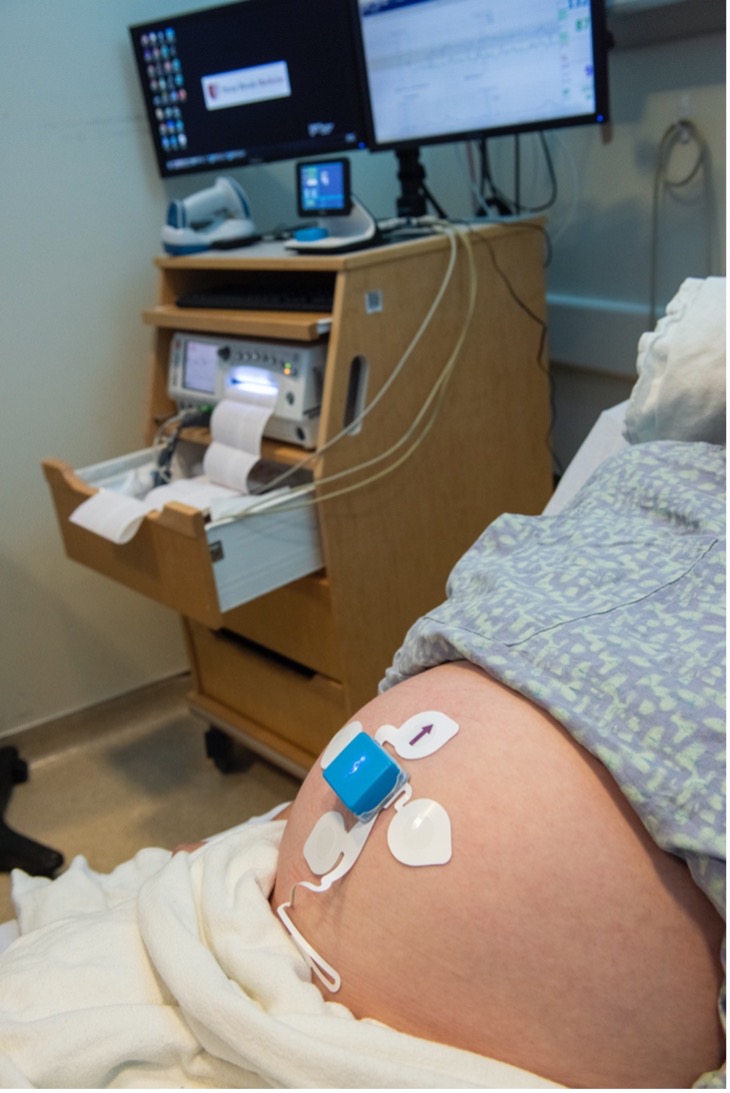 |
| A device for monitoring fetal heart rate, maternal heart rate, and uterine activity. The signals acquired by these devices are processed and interpreted by machine learning methods. |
The second project is “In Search for the Interactions that Create Consciousness.” In this research, Petar and collaborators are looking for the physical footprints of consciousness. They are seeking answers to many questions about its origin and nature. What parts of the brain give rise to consciousness? What are the minimal neuronal mechanisms that are sufficient to generate consciousness? In seeking answers, a consideration is to keep clear of any philosophical discussions on consciousness. Instead, Petar and collaborators are interested in the fundamental problem of understanding what causes the emergence of consciousness. To that end, the team works with advanced nonparametric Bayesian methods for machine learning to describe three main features of neural activity: complexity, temporal dynamics, and causal interactions.
The applications are somewhat obvious. In the first project, one would like to see that the team’s methods find a place in practice, and contribute to significantly decrease the use of operative vaginal and cesarean delivery, while at the same time defining more precisely if the fetus is at risk for developing metabolic acidosis and long-term neurologic injury. In the second project, besides contributing to understanding consciousness better, Petar and collaborators aim at developing approaches that will restore normal thalamic dynamics in the human brain via external electrical stimulation, which in turn will facilitate recovery from coma in patients with disorders of consciousness.
There are two major areas of impact of this research. One is on the advancing the theory of machine learning and the other on solving real word problems with it’s methods. The methods are quite general and based on principles that allow for their application on quite a wide range of tasks.
There are many colleagues involved in these projects coming from Computer Science; Obstetrics, Gynecology and Reproductive Medicine; Neurosurgery; Psychology; Neurobiology and Behavior; and Mechanical Engineering. Their roles are defined by their expertise. Many of Petar Djuric’s PhD students have been playing an important role in the project including Marzieh Ajirak, Kurt Butler, Tong Chen, Chen Cui, Lingqin Gan, Yuanqing Song, Hechuan Wang, and Liu Yang, as well as former students Shishir Dash, Guanchao Feng, Asher Hensley, Cagla Tasdemir, and Kezi Yu. Most of their efforts have been related to researching novel machine learning methods and applying them to problems of great interest to colleagues from applied sciences.
This work is very interdisciplinary in nature. Stony Brook University has been promoting interdisciplinary research and has put in place various mechanisms that facilitate research projects of faculty with diverse backgrounds. Petar personally enjoys very much working with colleagues with different expertise. He has also collaborated with colleagues from overseas including professors and students from Spain, Italy, Austria, Serbia, France, Great Britain, and China. He is very happy that he has engaged all his PhD students to work with scientists with knowledge in domains different from machine learning. Petar feels that the experience they are gaining while working on this type of research is invaluable for their future growth.
Prof. Djuric’s research has been funded by NSF and NIH.
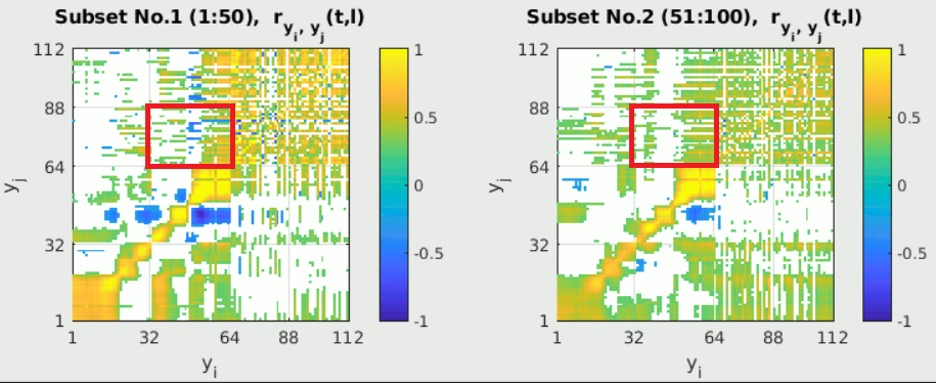 |
| Maps representing crosscorrelations of activities between different parts of a monkey’s brain during an experiment. The abscissa and ordinate denote the channels where the brain signals were measured, and the color quantifies the strength of the crosscorrelations. |
Stony Brook researchers, in collaboration with the University of Massachusetts Lowell, will be investigating ways to make energy generation, storage and system operation more efficient, reliable and resilient, particularly in microgrid settings such as shore-based environments, under a new program funded by the United States Navy Office of Naval Research. The Navy grant, totaling $7.36 million and shared equally between the two institutions, will run through Fall 2022.

Each institution will conduct nine multidisciplinary projects to achieve the research goals, complementing each other’s efforts in areas including grid control, security and infrastructure monitoring; energy storage, materials and grid management; and zero-carbon fuels. Both will collaborate to develop new training approaches, an area in which the domain knowledge and experience of National Grid and the Long Island Power Authority will be valuable assets.
“Efficient energy is vital to the security and economic stability of our region and nation. Stony Brook University will continue to play an important role in advancing energy research innovation for our society,” said Stony Brook University President Maurie McInnis. “We are thrilled to partner with the University of Massachusetts Lowell and industry in this initiative — to together discover new ways to ensure energy resiliency for the future.”
Stony Brook’s two New York State Centers of Excellence — the Advanced Energy Research and Technology Center (AEC) and the Center of Excellence for Wireless and Information Technology (CEWIT) — will assist University researchers involved in the program. Both Centers of Excellence are funded through the Empire State Development’s Division of Science, Technology and Innovation (NYSTAR), which fosters industry R&D collaboration to promote economic growth. Utility and industry connections are also a key external resource.
Essential partners in the collaborative project include the DOE Office of Science-funded Energy Frontier Research Center for Mesoscale Transport Properties (m2m) and the New York State Center for Advanced Technology in Integrated Electric Energy Systems (CIEES) — both located in the AEC. CIEES industry partners Bren-Tronics (Commack, NY) and Ioxus (Oneonta, NY) and AEC incubator tenant StorEn will contribute storage hardware and expertise to the initiative.

“This research program comes as the energy industry is experiencing greater technological change than at any time in the last century,” said Yacov Shamash, Principal Investigator and Professor of Electrical and Computer Engineering at Stony Brook University. “That’s why the Stony Brook and UMass Lowell projects leverage deep energy research experience with academic knowledge and long-time institutional collaborations with utilities in their states.”
A group of forward looking faculty and students at Stony Brook, including Prof. Fan Ye of the Electrical and Computer Engineering department, is developing an almost magic like sensing technology that can revolutionize the way the health conditions of older adults at home are monitored.
The technology can sense the vital signs and physical activities of multiple people in a room/home using different types of sensors, customized hardware and advanced algorithms. The system is completely non-touch (no wearables such as wrist bands or watches). Deployed in a home, it could detect changes in the residents’ health and provide data and notifications to doctors, nurses, family members and even 911. Thus it can enable the early detection of disease onset and early intervention to prevent severe deterioration. This translates into aging in place with dignity and quality of life.
Adults 65+ will comprise over 20% of the Long Island population by 2035. This “silver tsunami” which is developing in many nations will severely strain the limited resources of healthcare, economic and social systems. This research, if successful, will have a huge impact in aging and the treatment and care of many other diseases and health conditions. Though such vision has been presented before in “precision healthcare,” the missing link has been the unavailability of an enabling foundation of streamed, multi-modality (i.e. multiple types of physiological and physical) data.
When asked what is the most surprising thing about this research problem, Prof. Ye replied “How relatable the problem is to whomever I talk to – not just to people with technology or academic backgrounds but almost all walks of life. We have loved ones who are at a stage of life where they can use more help to have quality and dignity as they age, and technology happens to be something helpful here.”
Dr. Ye notes that Stony Brook University has very strong and comprehensive research in many areas so he has been able to work across disciplines with many people. This project is a joint collaboration with Elinor Schoenfeld from the Medical School, Erek Zadok from the Computer Science department, Patricia Bruckenthal from the School of Nursing and Jacqueline Mondros from the School of Social Welfare. The sensing prototype has been developed with the help of students including Bing Zhou (who has graduated and is now a Research Staff Member at IBM Research) and current students Zongxing Xie and Xi Cheng. Funding for the project comes from the Smart and Connected Communities program of the National Science Foundation.
Prof. Ye has been working on sensor systems and applications for two decades. He says the problem domain of aging made him realize how important suitable sensing technology is. The fact that it is still missing amazes him and also makes this project a great research opportunity.
Time series are a statistical workhorse of today’s economy and technology. What is a time series? It is simply a sequence of data indexed by time. Examples of time series are daily stock prices, hourly temperature readings, the pressure readings in an industrial process by the second, and the number of calls per minute in a telephone exchange. In a more general form, it can be a sentence in natural language or a set of processes of a system. As the types of sensing devices grow, there is an increasing demand to model the statistical relationships from a large amount of high-dimensional (i.e. many variables) sequential data. Professor Xin Wang leads a group of PhD students and post-doctoral researchers in Stony Brook’s Electrical and Computer Engineering department who seek to develop fundamental machine learning and data processing techniques to more accurately model time series data, as well as advance the understanding of images and video.
In order to facilitate making decisions and taking actions with regards to time series data, especially large amounts of data, one often has to understand the information from images and videos. To capture the dynamics from these high-dimensional time series, Dr. Wang’s group has incorporated deep learning architectures (a form of machine learning) together with statistical inference methods to more effectively model the stochastic (that is, random) process of sequential data under different applications. Furthermore, many practical applications require the understanding of the relationship between different sources of time series. Dr. Wang’s group also investigates the complex multi-modal relationship between time series from multiple domains. They have designed several deep learning schemes in multi-modal applications of time series, including image captioning and machine translation.
An important focus of Dr. Wang and her group’s efforts is more accurate modeling and machine learning under practical conditions. Real world data have noise, uncertainty, dynamics, loss and delay. Steps must be taken to mitigate these sources of error. Dr. Wang’s research seeks to design light-weight algorithms that can run efficiently and reliably, in real time if possible. Since we live in an era of “big data,” another issue is handling huge amounts of data. Finally the Stony Brook group considers large scale systems and resource and energy limitations.
 |
| Deep neural architecture to model target latent sequences and sentences |
Recently Dr. Wang and her group have applied the methodologies they developed for time series data to a set of National Science Foundation funded projects involving wireless communications technology and electric power micro-grids. Two wireless projects make use of a sparse (minimal) number of data samples and real-time prediction to obtain complete system status or “state” to make possible future high frequency, millimeter wave, and cognitive wireless communication systems. Micro-grids are electric power grids for a small area. The micro-grid project has used a novel neural network infrastructure. Neural networks are a brain inspired type of computing network that is of much interest to today’s researchers. The use of neural networks for this project enables the statistical and continuous modeling of micro-grid data with samples taken sparsely and irregularly in the presence of noise and uncertainty.
These projects are all interdisciplinary with collaborators from both inside and outside of Stony Brook University. Collaborators on the micro-grid project have been Professor Peng Zhang of the Electrical and Computer Engineering department, and Professors Scott Smolka and Scott Stoller of the Stony Brook Computer Science department.
Prof. Wang is always on the lookout for new and interesting projects for her group. With the track record that has been developed, one can only speculate on what areas future work will involve.
The emerging application of artificial intelligence (AI) to a diverse range of fields has positioned it as a valuable research tool. Stony Brook’s Institute for AI-Driven Discovery and Innovation hosts faculty from a wide variety of disciplines who are advancing machine learning research.
Bugallo is a professor in the Department of Electrical and Computer Engineering in the College of Engineering and Applied Sciences (CEAS), Associate Dean for Diversity and Outreach for CEAS and Faculty Director for the Women In Science and Engineering (WISE) Honors program.
AI Institute: What experience do you have using AI?
Professor Bugallo: My field of expertise is in statistical signal and information processing and more
precisely in the theory and application of Bayesian inference for complex systems.
Bayesian inference is a critical building block of AI. This data-mining framework
allows use of prior information about a system to obtain the probability of a related
event. As a result, this methodology is extremely powerful and can be used in analyzing,
inferring and predicting parameters in AI-powered systems, virtual assistants and
other variable analytics models.
Bayesian inference, at the core of my research portfolio, is an extremely powerful set of tools for modeling, estimation and forecasting of parameters defining complex systems, which are at the center of big data, machine learning and AI applications. Bayesian models and methods map our understanding of a problem (usually characterized by many unknowns) and process observed data (usually large data sets) into measures related to a particular fact in probabilistic (belief) terms. Therefore, my research agenda on theory and practice of such forceful tools in challenging scenarios can significantly contribute to important AI applications.
AI: How do AI, machine learning, etc. fit into the Electrical and Computer Engineering
areas of study and research?
PB: Big data, machine learning and AI applications are revolutionizing the models, methods
and practices of electrical and computer engineering. At the same time, electrical
and computer engineering research advances in hardware and software are crucial for
all those applications to become a reality. New technology domains, such as smart
grids, smartphone platforms, autonomous vehicles and drones, energy efficient systems,
wearables and Internet of Things (IoT) tools will unfold embedded with electrical
and computer engineering systems in real world or industry practice.
AI: Do you think that students in your field should also take AI-related classes and
expose themselves to more AI-related technology?
PB: AI-related courses are extremely important for researchers and professionals in
the fields of signal and information processing, as well as in data science and engineering.
There are courses from the computer science perspective as well as from the electrical
and computer engineering perspective. Both angles are critical to better understand
the foundations of the topics and interrelated concepts, the intricacies that challenge
the progress of these new technologies, and the newest advances and tools needed to
move forward.
AI: What do you see as future applications of AI and AI-related technology as it applies
to your fields of research?
PB: Any applications of AI and AI-related technology can benefit from the theoretical
advances in Bayesian inference. Application of some recent advances to autonomous
vehicles and to IoT scenarios have already been published and resulted in very promising
lines of research. For example, we have addressed problems related to real-time self-tracking
in IoT systems, critical for localization of low-cost “smart” tagged objects, or indoor
altitude estimation of unmanned aerial vehicles, which is of utmost importance for
safe drone navigation. The research agenda in our lab is very broad and generally
applicable and there are many challenging AI-related applications that could benefit
from the theoretical contributions that result from our work.
AI: Thank you for your time, Professor Bugallo.
Mónica Bugallo is the Associate Dean for Diversity and Outreach in the College of Engineering and Applied Sciences (CEAS) and a Professor in the Department of Electrical and Computer Engineering at Stony Brook University. She is an Affiliate Faculty member of the Institute for Advanced Computational Sciences (IACS) and the AI Institute.
Her research interests include: