
BIOSAFETY BASICS

Our PDF documents are currently being updated to be in compliance with ADA requirements. If the document you are looking for is not currently available, you can request a copy from labsafety@stonybrook.edu


Use the drop downs below to read about what biohazardous materials are made of, keys to working safely with biohazardous materials, and work practices to determine safe biosafety levels. 

  • Organisms and viruses infectious to humans, animals or plants (e.g., parasites, viruses, bacteria, fungi, prions, rickettsia) cultured human and animal cells.
  • Cultured human and animal cells.
  • Certain types of recombinant and/or synthetic DNA.
  • Biologically active agents that may cause disease in other living organisms or cause significant impact to the environment or community (i.e., toxins, allergens, venoms).

  • Performing a risk assessment prior to beginning work with biohazardous materials or when procedures and protocols have changed for an established Standard Operating Procedure (SOP).
  • Understanding what Risk Groups and biosafety levels are and the differences between them.
  • Ensuring that training requirements have been met prior to beginning work with biohazardous materials.
  • Ensuring that any required equipment has been certified and is in proper working order.
  • Ensuring that any required Personal Protective Equipment (PPE) is available and that laboratory personnel are trained in it's proper use and care.
  • Posting biosafety signs in appropriate locations throughout the lab and especially at any entrance to the lab.

For a summary of Biosafety Work Practices, Personal Protective Equipment (PPE) and Laboratory Facilities, refer to the CDC/NIH Biosafety in Microbiological and Biomedical Laboratories (BMBL) 6th edition.

Human and other primate materials (i.e. tissues, cells, blood, sera, etc.) are to be handled at Biosafety Level 2 (BSL-2) and higher. Additionally, work with human materials require compliance with the OSHA "Occupational Exposure to Blood-borne Pathogens" regulation.

To determine what Biosafety Level (BSL) is appropriate for the biohazardous materials you are working with, consult the following sources of information:
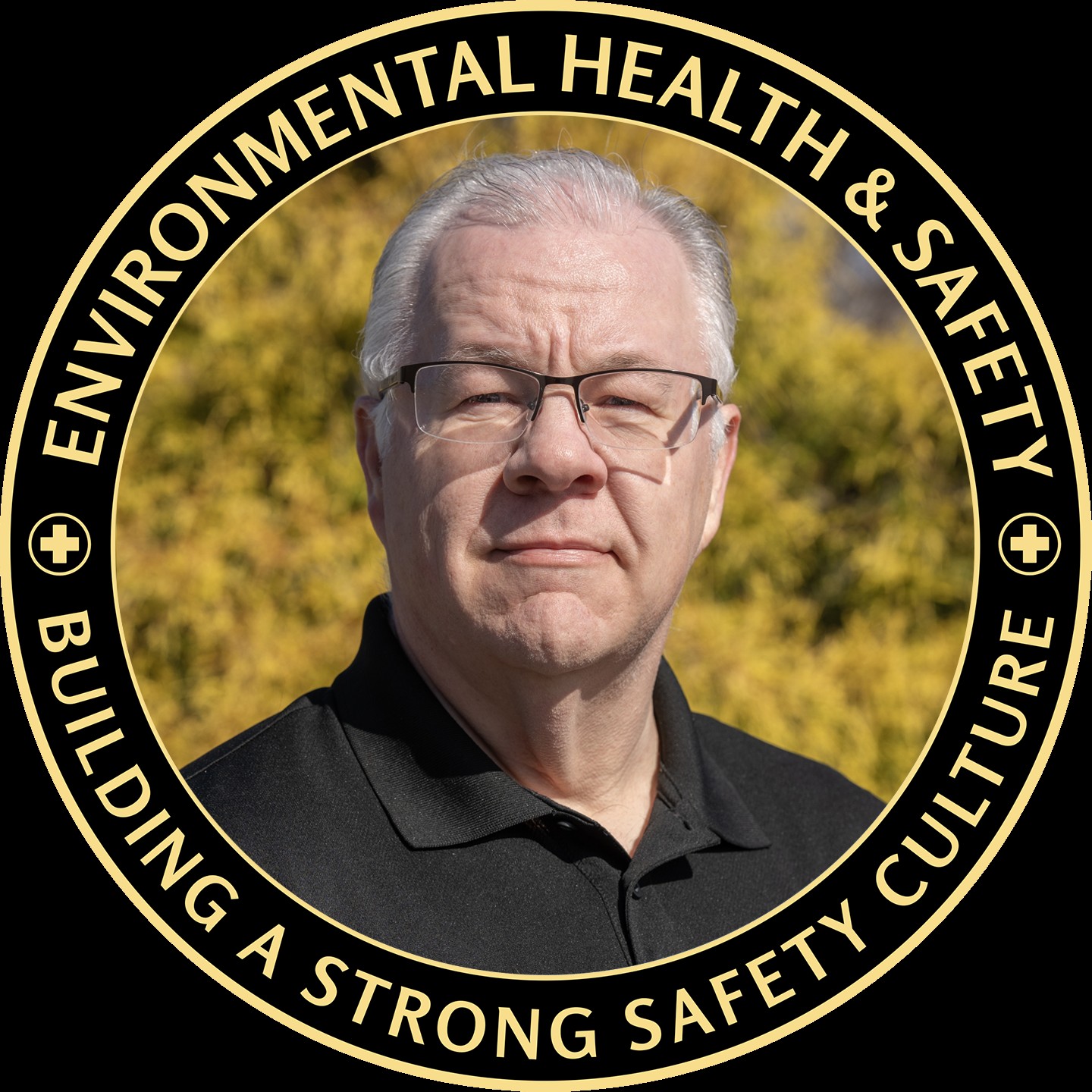
headshot of chris kuhlow


BIOLOGICAL SAFETY OFFICER

Chris Kuhlow  |  (631) 632-3717  |  Christopher.Kuhlow@stonybrook.edu

EHS Icon


CHEMICAL HYGIENE OFFICER

Ying Liu  |  (631) 632-3032  |  Ying.Liu.1@stonybrook.edu