



Explore cancer biology concepts and laboratory techniques.
Cancer biologists study the uncontrolled growth and spread of abnormal cells at a cellular and molecular level to understand what cellular changes lead to cancer and to find ways to prevent, defeat, or stop cancer cells from forming, growing, and spreading. Phytochemicals, biologically active compounds found in plants, have exciting properties that can affect human health. Some phytochemicals from fruits and vegetables have been reported to stop the growth and spread of cancer cells or even induce them to die via apoptosis (programmed cell death).
In this program, you will conduct hands-on experiments to create extracts containing
phytochemicals and learn what happens when these extracts are used to treat cancer
cells. You will implement the same techniques used by cancer biology researchers to
study cancer cells including inverted light microscopy to examine cell morphology
and health, fluorescence microscopy to detect apoptosis, and luminescence to measure
cellular adenosine triphosphate (ATP) levels.
EXPLORATIONS IN CANCER BIOLOGY
2026 Session Dates
- Session One: June 28 - July 3, 2026
- Session Two: July 5 - 10, 2026
- Session Three: July 12 - 17, 2026
- Session Four: July 19 - 24, 2026
Registration is Closed
Be the first to know when applications open for Summer 2027:
Experiential Learning
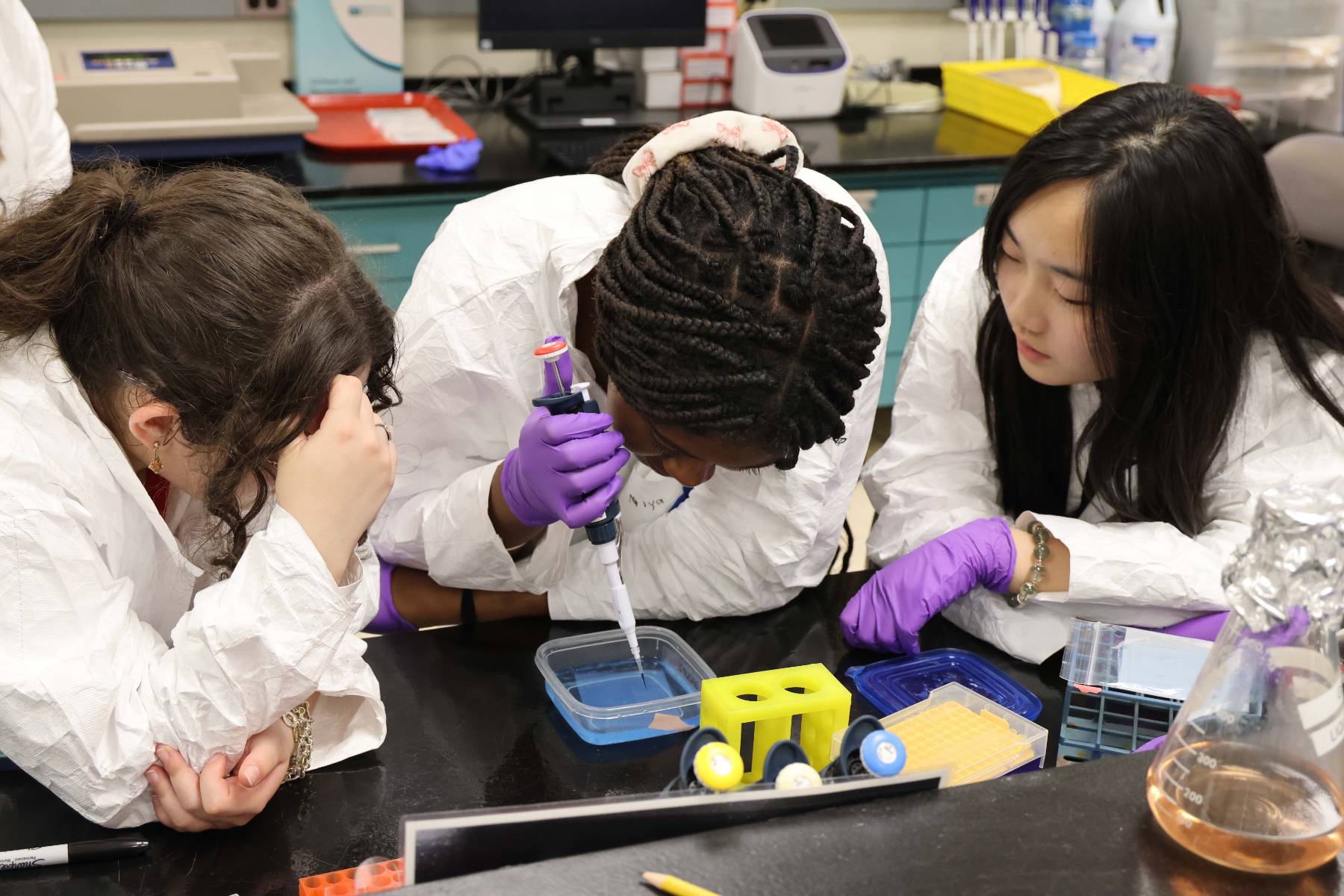
During this week-long program, you will be introduced to a cancer biology concepts and laboratory techniques through lectures and hands-on laboratory activities. You will:
- Learn about cellular changes that give rise to cancer
- Grow, maintain, and treat cancer cells in vitro (grown in dishes)
- Prepare extracts containing phytochemicals that may fight cancer
- Examine cells using light microscopy
- Measure ATP levels using a luminometer
- Analyze cells for apoptosis using fluorescence microscopy
Instructor
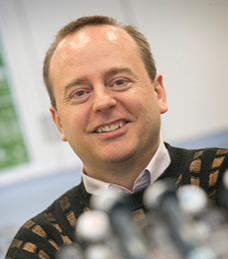
Daniel Moloney, PhD
Dan Moloney is a Research Professor of Biochemistry & Cell Biology and Co-Director of the Biotechnology Teaching Laboratories (BTL) at the Institute for STEM Education at Stony Brook University. He earned a Bachelor’s degree in Biochemistry and a Ph.D. in Molecular Biology & Biochemistry from Stony Brook University. Dan mentors, advises and educates students at all levels to promote science knowledge, interest, and awareness. Thousands of middle school and high school students visit the BTL each year to learn how to conduct laboratory experiments.
Dan is the Program Director of BioPREP and the Co-Director of INDUCER. These two
NIH-funded programs encourage undergraduate students from underrepresented groups
to pursue careers in biomedical sciences and cancer-related research. Dan teaches
Cancer Biology and Laboratory Techniques in Cancer Biology to undergraduates and graduate
students at SBU. He also mentors and instructs graduate students in the Masters in
the Art of Teaching (MAT) Biology program.