
Design it, assemble it, and teach it to think.
The AI Robotics (AIR) Summer Program is an intensive, hands-on experience designed for high school students who want to bridge the gap between theoretical AI and physical engineering. This is a more advanced course than Robotics Engineering — if you're just getting started in the world of robotics, we recommend you enroll in the Robotics Engineering course instead.
This program moves beyond basic robotics to focus on building AI-enabled robots from scratch. Throughout the week, the curriculum emphasizes the integration of machine learning into hardware. You will explore computer vision, deep learning, and advanced mechatronics to solve "hard problems" in robot design and autonomous navigation. By the end of the program, you will have transitioned from learner to creator, having programmed your robot to perceive and interact with its environment through complex algorithms.
Hardware Requirements
- Each student must bring their own Mac, Linux, or Windows laptop with sufficient free disk space, and administrative rights to install the Arduino IDE and other necessary utilities.
- Chromebooks will not work.
- A USB-C to USB-A adapter if your laptop contains only the new USB-C ports.
Experiential Learning
Program Highlights
Go Beyond the Basics
This advanced program for students aged 15–17 focuses on AI and deep learning.
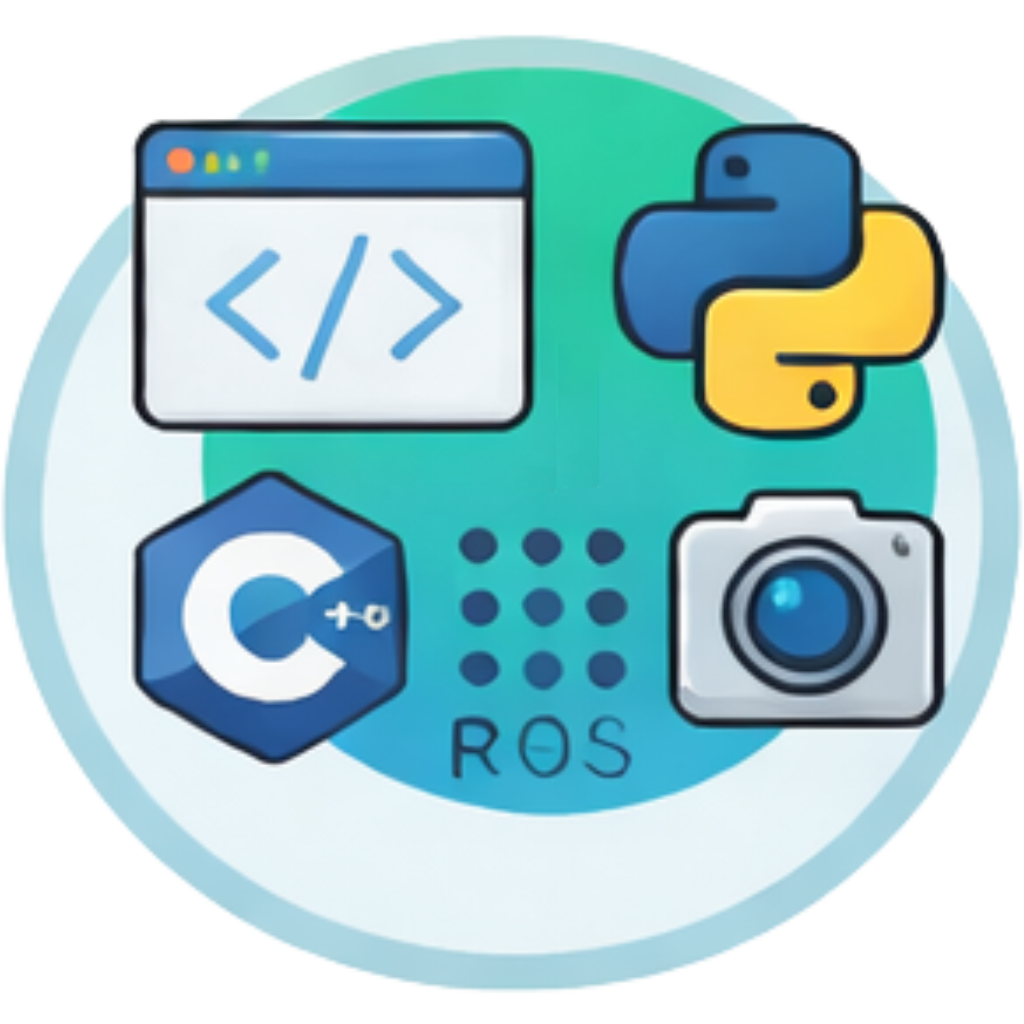
Master In-Demand Tech Skills
Learn Python, C++, Robot Operating System (ROS), and computer vision techniques.
Keep Your Creation
Participants will take home the advanced AI robots they build during the program.
Your 5-Day Journey From Learner to Creator
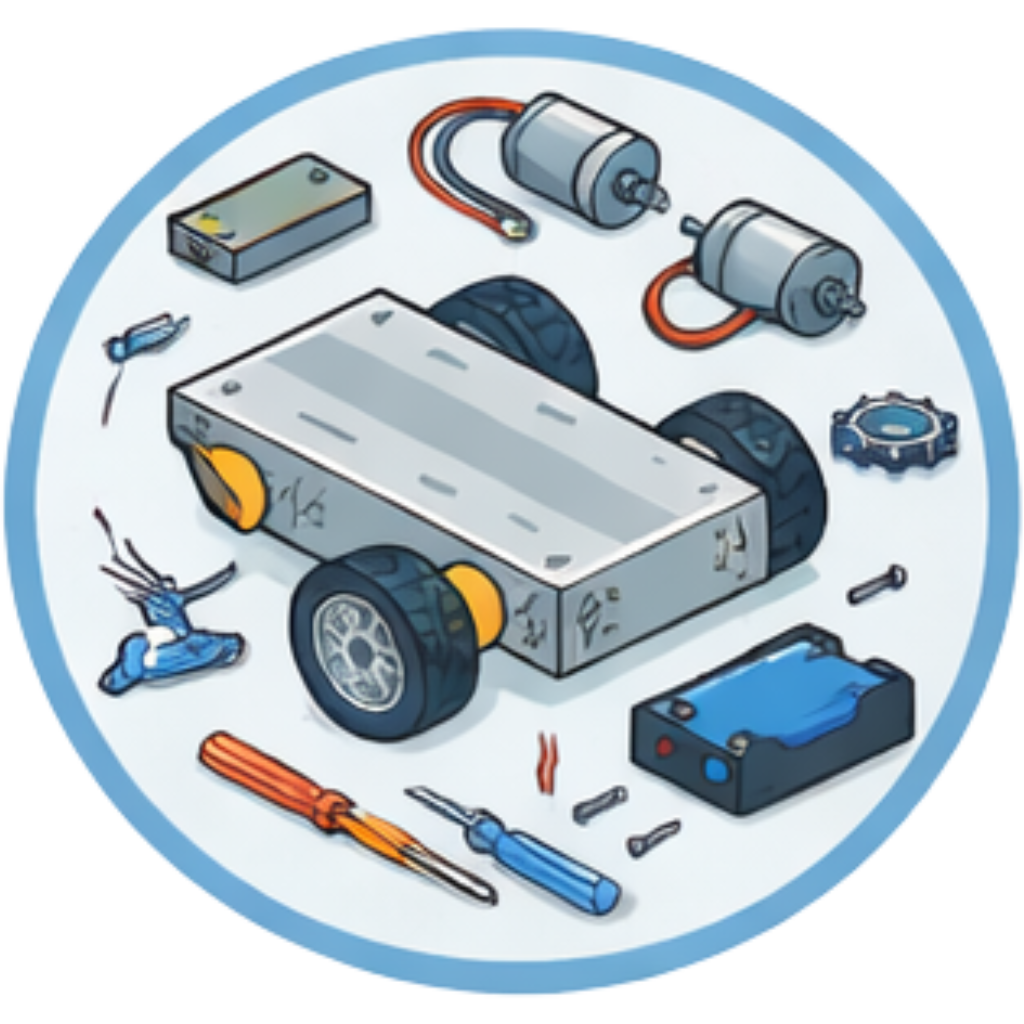
Day 1: Build the Foundation
Assemble the robot's hardware, motors and sensors from scratch.
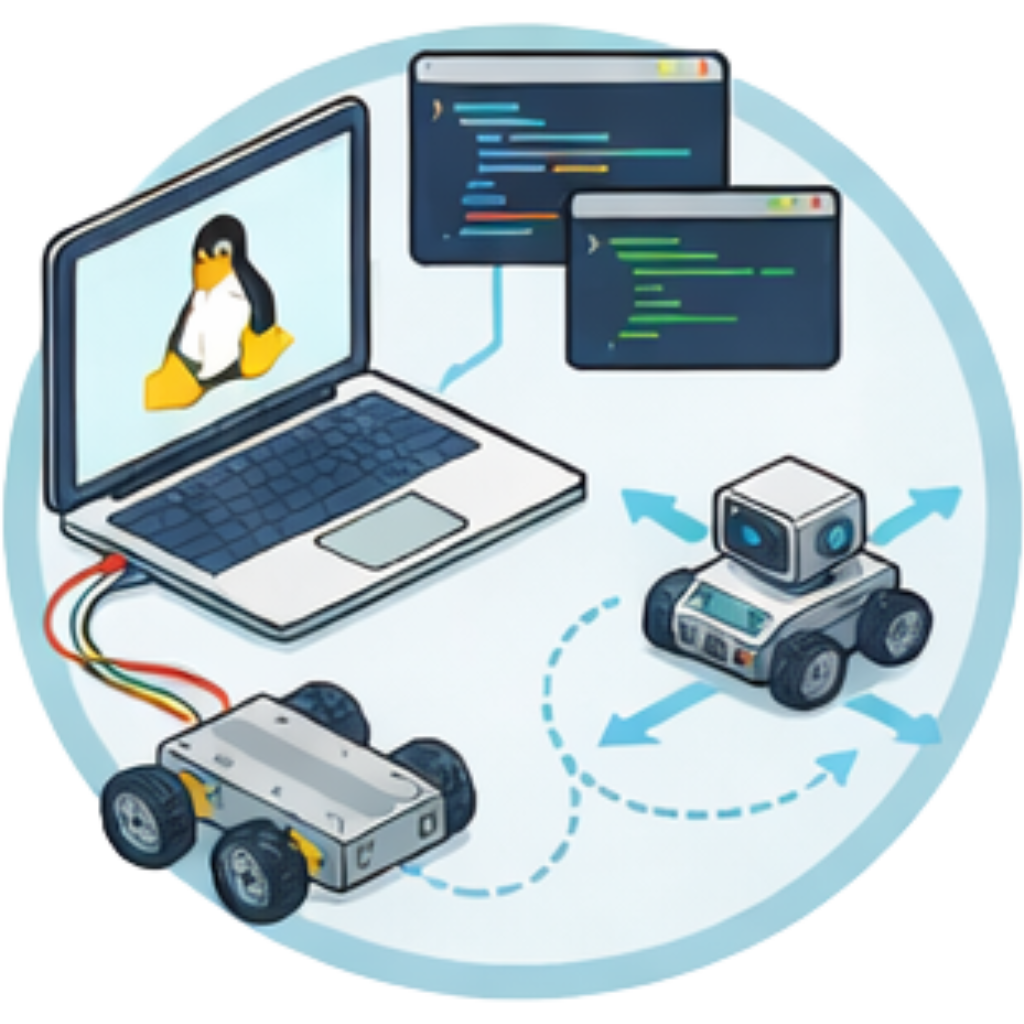
Day 2: Bring It to Life
Set up the Linux environment and code the robot's fundamental movements.
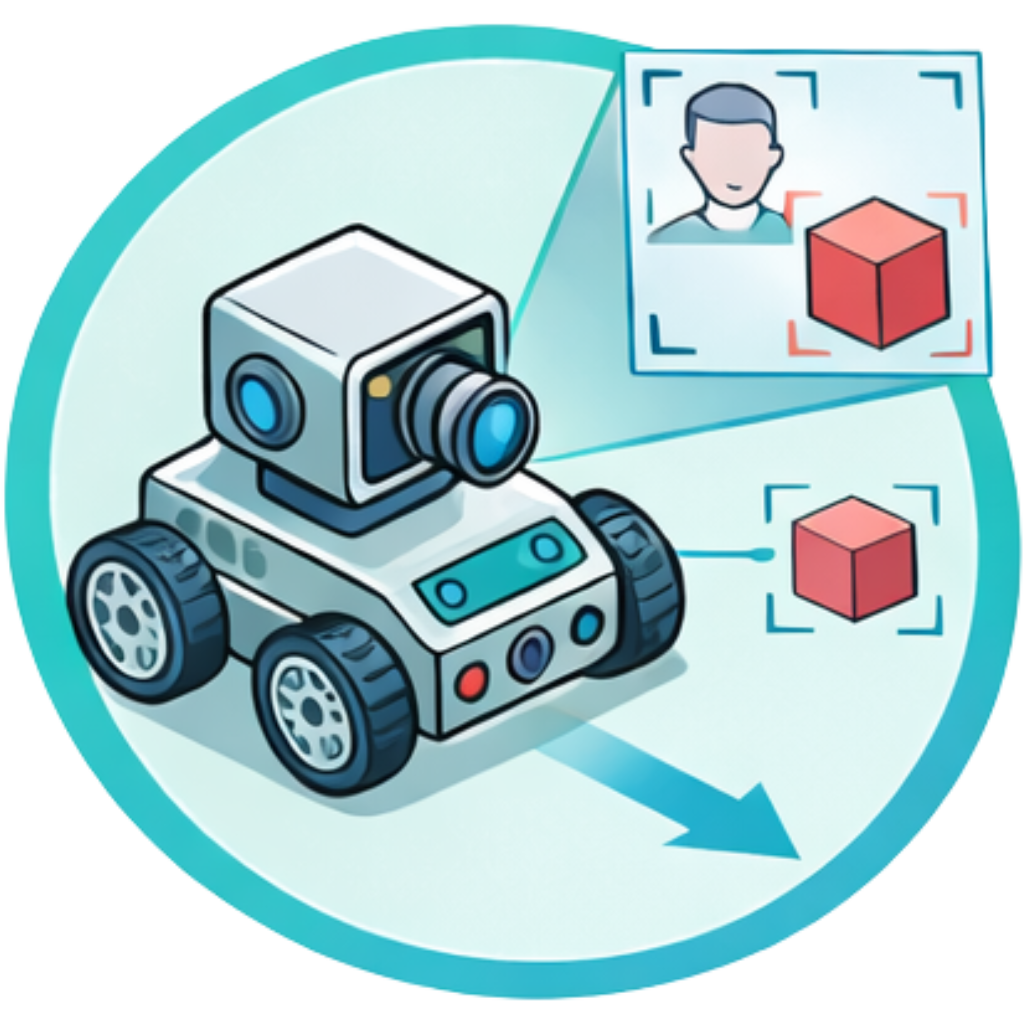
Day 3: Give It Sight
Integrate a camera and program computer vision for face and object detection.
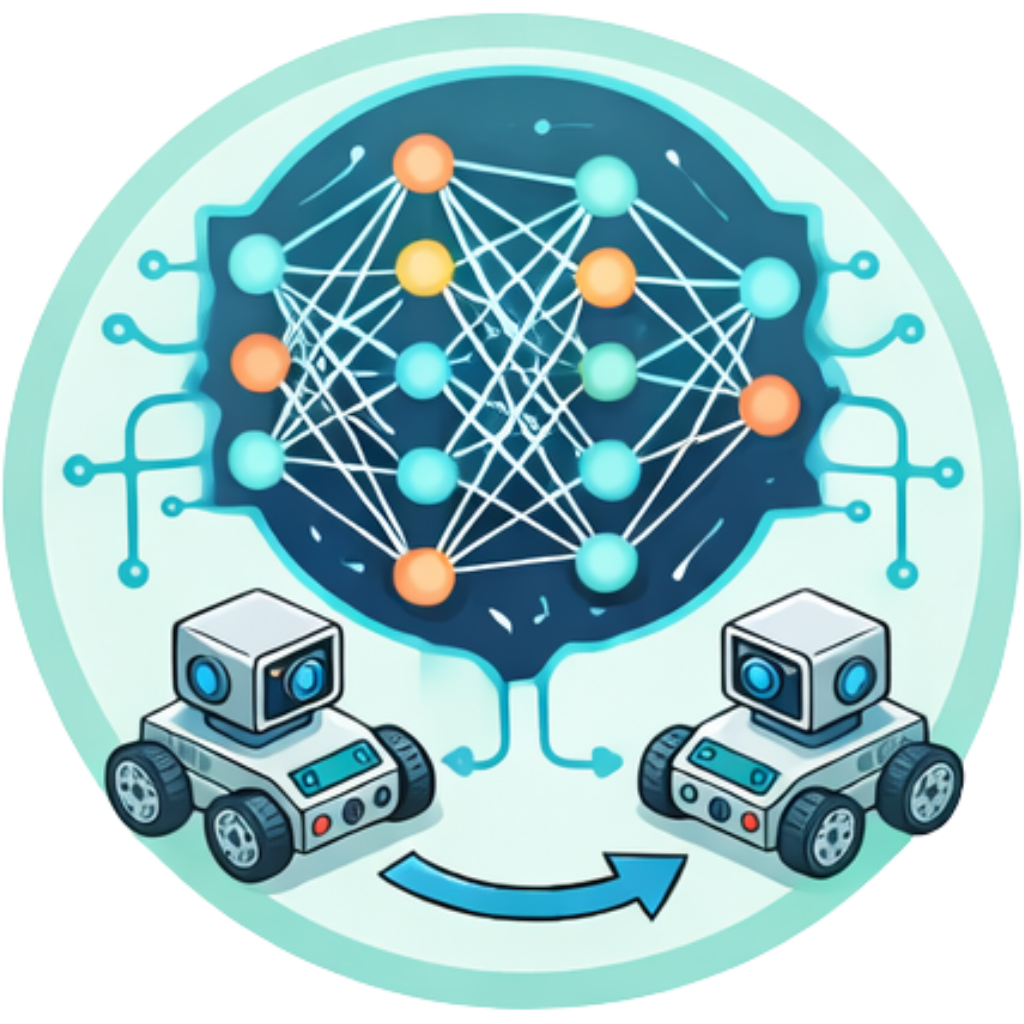
Day 4: Make It Smart
Implement neural networks to enable autonomous, intelligent decision-making.
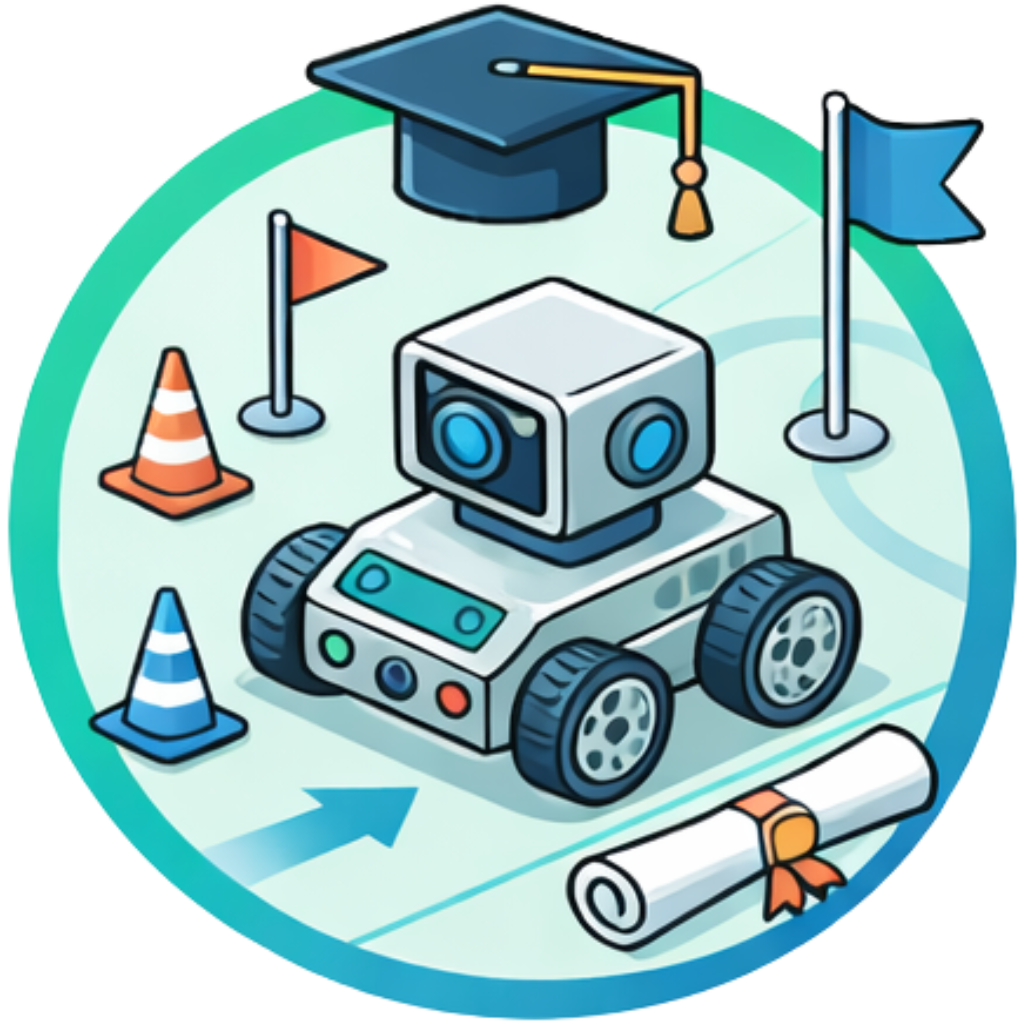
Day 5: Launch and Graduate
Test autonomous navigation and demonstrate your robot's final capabilities.

Instructor
Anurag Purwar, PhD
Associate Professor, Department of Mechanical Engineering
Director,
Computer-Aided Design and Innovation Lab
Dr. Anurag Purwar's research interests are in bringing together rigid body kinematics and machine learning for the design of mechanisms and robots. He has published 82 peer-reviewed conference and journal papers, and his research has been funded by the National Science Foundation (NSF), NY-state SPIR, NY-state Center for Biotechnology, Sensor-CAT, SUNY Research Foundation, industry, Stony Brook University, and SUNY Office of Provost.
He is the recipient of the Presidential Award for Excellence in Teaching by Stony Brook University and the winner of the 2018 FACT2 award for Excellence in Instruction given to one professor from the entire SUNY system. He also received the 2021 Distinguished Teaching Award from the American Society of Engineering Education (ASEE) Mid-Atlantic Division.
Ready To Take the Next Step?
Join us for SBU Pre-College Summer!
