Eun Jegal
Undergraduate Recipient Department of Psychology
The personal is political
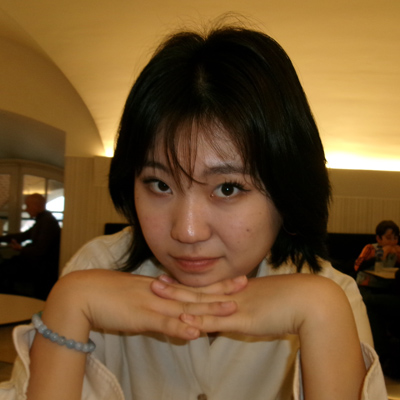
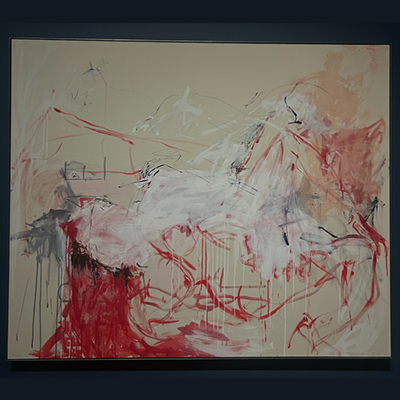
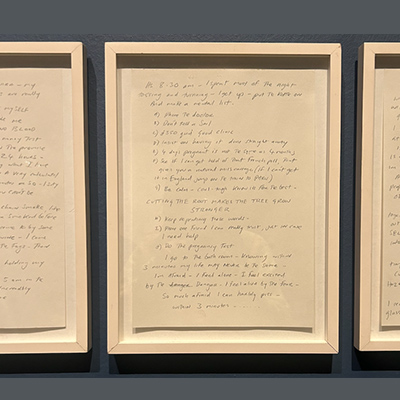
Thanks to the Edward Guiliano Global Fellowship, I had the meaningful opportunity to travel to London for a conference, workshops, and visits to historical sites centered on feminist themes and learning. By meeting and speaking with scholars and feminists from the United Kingdom and from a wide range of backgrounds, I came to understand that feminism is not simply a concept confined to books or lectures. Rather, it is a living language that is experienced and practiced differently in each person’s life. Among all of these experiences, the one that left the deepest and most lasting impression on me was Tracey Emin’s exhibition at Tate Modern.
I used to find modern art difficult to understand, and I assumed it was something only experts could truly interpret. There were many times when I stood in front of a work of art and thought of what I was supposed to feel. Because of this, I did not have especially high expectations before entering the exhibition.
However, the moment I stepped into the gallery, I felt as though I had entered Tracey Emin’s mind. Her pain, joy, sadness, anger, and loneliness were expressed throughout the exhibition with striking honesty. These emotions were not refined or beautifully packaged; they were raw, exposed, and almost too vulnerable to look away from. Tracey Emin was exposed to various forms of violence from her teenage years and later endured depression, two abortions, miscarriage, and suicide attempts throughout the course of her life. I was not merely looking at her pain; I felt as though I was experiencing it physically.
What overwhelmed me most was her fearlessness in expressing herself. Her works felt like extensions of her own being, as if I were standing before a living, beating heart. I was deeply struck by the idea that someone could reveal themselves so completely that they could transform shame, trauma, and suffering into art without concealing them. In front of her work, I experienced modern art not as something that had to be intellectually “understood, ” but as something that could be felt.
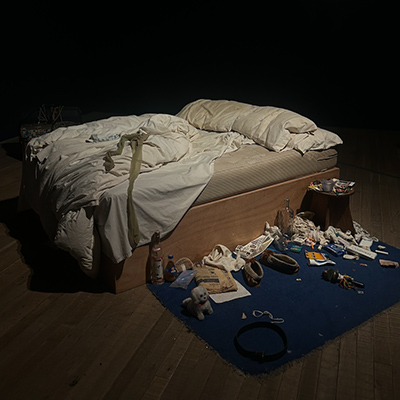
Her art felt like the most honest conversation I had in London. One work in particular remains vivid in my memory: her bed with disheveled bedsheets, trash, empty alcohol bottles, discarded clothing, used condoms, cigarette butts, money, a doll, contraceptive pills, and items marked by menstrual blood. It was not simply a messy bed. It was a space where one person’s life and emotions remained exactly as they had existed during days of pain and distress. Although I have not lived through the same experiences as Emin, I felt that, at some point in life, we may have encountered similar emotions. Standing among others in front of that bed, I quietly realized that those feelings were not mine alone.