<?xml version="1.0" encoding="UTF-8"?>
<item href="/__admin-units/krish-new/demo-evelyn-brooks.html"
       dsn="krish-faculty">
   <schema-version>1</schema-version>
   <content-type>faculty</content-type>
   <first-name>Evelyn</first-name>
   <middle-name/>
   <last-name>Brooks</last-name>
   <display-name/>
   <suffix/>
   <pronouns/>
   <name-pronunciation/>
   <title>Professor Emerita</title>
   <department>Art</department>
   <school>College of Arts and Sciences</school>
   <appointments/>
   <expertise>Public art; visual culture; community archives</expertise>
   <summary>Evelyn Brooks explores memory and place through installations, photography and collaborative archives. Her creative practice brings everyday objects and neighborhood stories into public settings, connecting studio inquiry with thoughtful community engagement.</summary>
   <category>emeritus</category>
   <listing-enabled>true</listing-enabled>
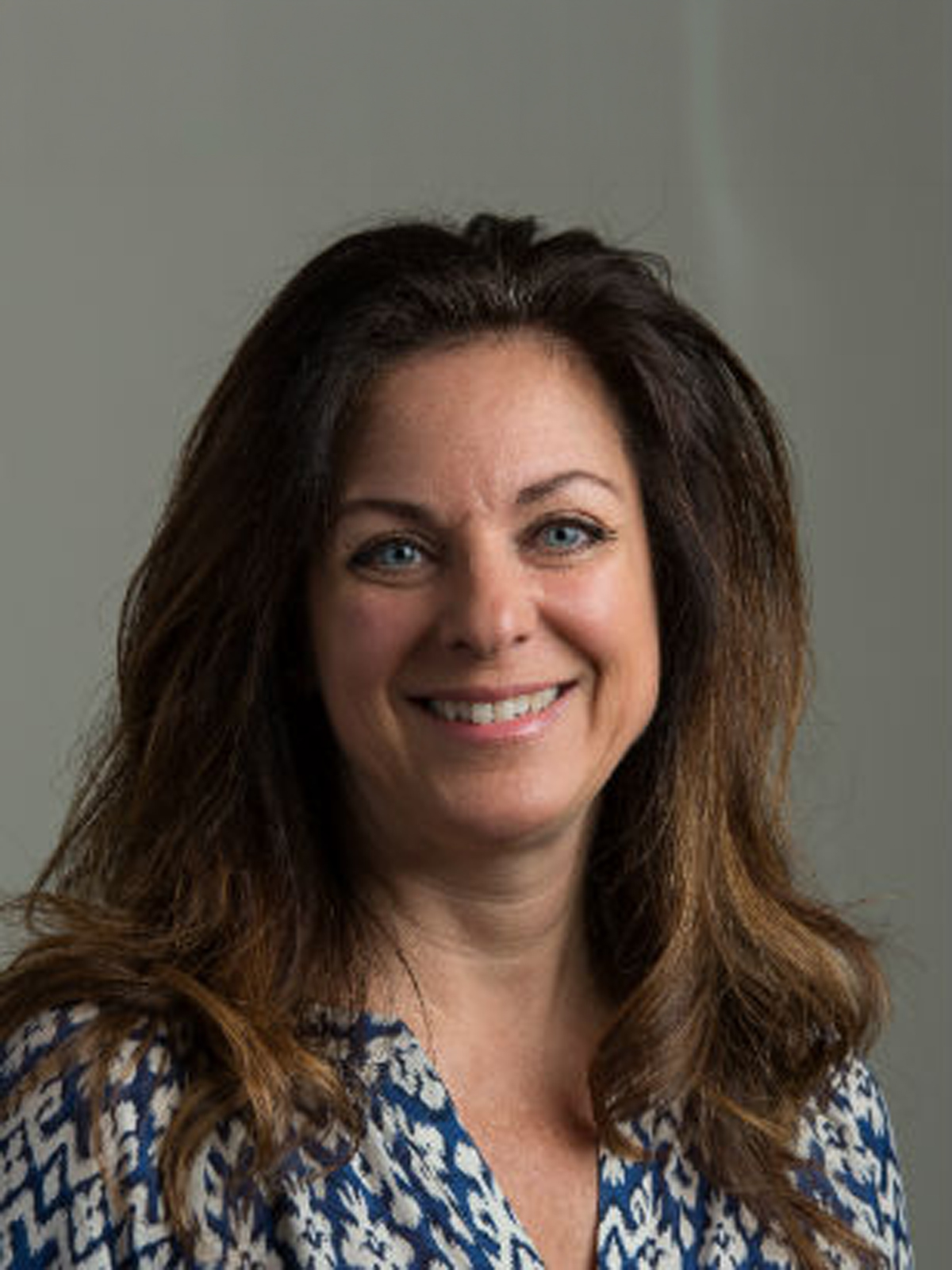
   <portrait>
      <img src="/__admin-units/krish-new/_images/evelyn-brooks-placeholder.jpg"
            alt="Borrowed portrait of Camille Abbruscato; placeholder for fictional Evelyn Brooks"/>
   </portrait>
   <email>evelyn.brooks@example.org</email>
   <phone>631-555-0114</phone>
   <fax/>
   <building>Example Faculty Hall</building>
   <room>258</room>
   <address>Example Department Office, Stony Brook, NY 11794 (demonstration address)</address>
   <office-hours>By appointment; illustrative availability Tuesday 2:00-4:00 p.m.</office-hours>
   <contact-person/>
   <languages>English</languages>
   <cv>/__admin-units/krish-new/_media/evelyn-brooks-sample-cv.pdf</cv>
   <resume>/__admin-units/krish-new/_media/blank-faculty-resume-template.pdf</resume>
   <cv-updated>2026-10-04</cv-updated>
   <website/>
   <lab-name/>
   <lab-url/>
   <orcid/>
   <scholar/>
   <researchconnect/>
   <researchgate/>
   <scopus/>
   <web-of-science/>
   <linkedin/>
   <github/>
   <evaluation/>
   <biography>
      <p>Evelyn Brooks is a professor emerita of art whose creative practice explores the relationship between memory, place and public space. Working across installation, photography and community archives, she considers how everyday objects and personal accounts become part of a shared history. Her projects often begin with walking, conversation and close observation of a neighborhood.</p>
      <p>Brooks developed her practice through studio training and collaborations with fictional museums, galleries and community organizations. She is interested in the boundary between an artwork and a resource that people can continue to use. Exhibition projects may include listening stations, annotated maps or small collections that invite visitors to contribute their own interpretations.</p>
      <p>During her teaching career, Brooks connected studio inquiry with visual culture and public engagement. Students learned to frame a question, experiment with materials and document the process behind a finished work. Critiques emphasized attentive description before evaluation, creating space for different approaches and encouraging students to understand the choices that give a project its form.</p>
      <p>As an emerita faculty member in this demonstration, Brooks continues a fictional community archive project and contributes to occasional seminars and mentoring conversations. Her recent work examines the traces of local change: storefront signs, routes through public spaces and the objects people keep when moving. This profile shows how a creative scholar can present exhibitions, public projects and an archive alongside education and teaching, using a flexible section rather than forcing all outputs into conventional publication categories.</p>
   </biography>
   <education>
      <ul>
         <li>MFA, Example School of Art, 1990</li>
         <li>BA, Art History, Example College, 1986</li>
      </ul>
   </education>
   <experience>
      <ul>
         <li>Professor Emerita, Department of Art, Example University, 2021-present.</li>
         <li>Professor of Art, Example University, 2004-2021.</li>
         <li>Associate Professor, Example University, 1997-2004.</li>
         <li>Visiting Artist, Example School of Art, 1993-1997.</li>
         <li>Independent studio practice, 1990-present.</li>
      </ul>
   </experience>
   <research/>
   <projects/>
   <grants/>
   <opportunities/>
   <publications/>
   <creative-work>
      <p>All exhibitions and works below are fictional samples.</p>
      <h3>Selected exhibitions</h3>
      <ul>
         <li>Shared Landscapes - Example Gallery, 2025; installation, annotated maps and listening stations.</li>
         <li>Archive of a Neighborhood - Example Museum, 2023; photographs and community-contributed objects.</li>
         <li>Routes and Returns - Example Arts Center, 2021; site-responsive installation.</li>
         <li>Everyday Monuments - Example Project Space, 2018; sculpture and photographic series.</li>
      </ul>
      <h3>Public and collaborative works</h3>
      <ul>
         <li>The Walking Archive, 2024-2026; fictional participatory mapping and oral-history project.</li>
         <li>Objects in Transit, 2022; illustrative traveling collection with interpretive notebooks.</li>
         <li>Window Stories, 2019; fictional storefront installation series.</li>
      </ul>
   </creative-work>
   <datasets-software/>
   <teaching>
      <h3>Observation, experimentation and dialogue</h3>
      <p>Studio teaching connects material decisions to a clearly articulated question. Students work through sketches, prototypes and critique before developing a final installation or series. Process journals help them notice how an idea changes through making.</p>
      <h3>Public context</h3>
      <p>Seminars consider how creative work is encountered outside the studio. Discussions address audience, site, accessibility and the responsibilities involved in representing a community.</p>
   </teaching>
   <courses>
      <ul>
         <li>ART XXX - Public Art Studio; advanced undergraduate; site-responsive work and documentation.</li>
         <li>ART YYY - Visual Culture and Memory; seminar; archives, photographs and public histories.</li>
         <li>ART ZZZ - Collaborative Practice; graduate; project planning, dialogue and critique.</li>
      </ul>
   </courses>
   <mentoring>
      <p>Brooks offers occasional fictional portfolio conversations for students developing site-responsive projects or community archives. Feedback focuses on the relationship between research, materials and audience. These examples illustrate emerita mentoring without presenting current advising availability as a real service.</p>
   </mentoring>
   <clinical/>
   <certifications/>
   <service>
      <ul>
         <li>Advisory member, fictional Community Archives Collective, 2021-present.</li>
         <li>Former chair, Example Studio Curriculum Committee, 2012-2016.</li>
         <li>Illustrative visiting critic, Example Regional Arts Program, 2025.</li>
      </ul>
   </service>
   <outreach>
      <p>An illustrative neighborhood archive workshop invites participants to discuss photographs, objects and memories of changing public spaces. Activities emphasize consent, context and descriptive cataloging. The project includes a fictional plan for returning copies of materials to contributors.</p>
   </outreach>
   <awards>
      <ul>
         <li>Example Arts Fellowship, 2020.</li>
         <li>Illustrative Award for Collaborative Creative Practice, 2017.</li>
         <li>Example Studio Teaching Recognition, 2012.</li>
      </ul>
   </awards>
   <talks/>
   <media/>
   <additional-links>
      <h3>Demonstration documents</h3>
      <p>The CV contains fictional sample content. The resume link opens a blank reusable template.</p>
      <h3>Portrait credit</h3>
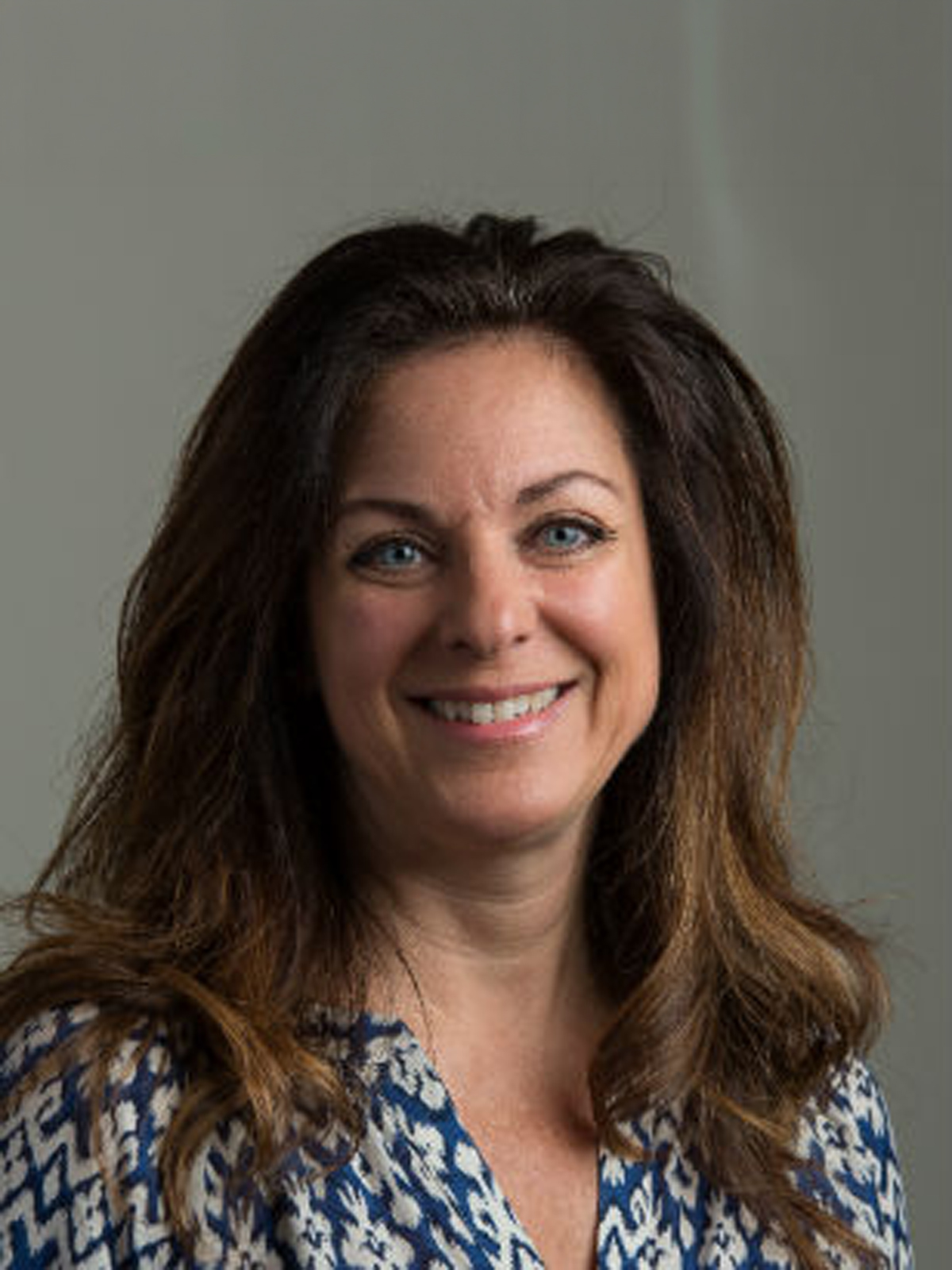
      <p>Borrowed photograph of Camille Abbruscato from a public Stony Brook faculty page, used only as a layout placeholder. This photograph does not depict Evelyn Brooks. <a href="https://www.stonybrook.edu/business/_images/people/camille-abbruscato.jpg">View original portrait source</a>.</p>
   </additional-links>
   <custom-content>
      <h3>What the archive explores</h3>
      <p>The Walking Archive is an illustrative collection of routes, photographs and short accounts of everyday places. Rather than organizing a neighborhood around landmarks alone, it considers the paths people take and the details they notice.</p>
      <h3>How materials are described</h3>
      <p>Each fictional record includes a descriptive title, approximate date, contributor credit and a contextual note. A demonstration collection guide explains how access preferences and corrections could be documented.</p>
      <h3>Example collection areas</h3>
      <ul>
         <li>Routes to school and work</li>
         <li>Signs, windows and small public spaces</li>
         <li>Objects kept through a move</li>
         <li>Seasonal changes and recurring gatherings</li>
      </ul>
   </custom-content>
   <custom-heading>Community archive: The Walking Archive</custom-heading>
   <demo-record>true</demo-record>
   <record-id>demo-evelyn-brooks</record-id>
   <layout>single</layout>
</item>