
LABORATORY SECURITY


Laboratory security is the responsibility of all students, faculty, staff and members of our seawolf community.

Laboratory security is everyone's responsibility. Basic requirements are:

  • Control Access - Restrict labs to authorized personnel only.
  • Maintain Inventory - Know where and how much hazardous materials are in the lab.
  • Reporting - Unaccounted loss and annual inventory.
  • Training - All lab staff need to know the security procedures and why they are important.
  • Our Safety Guide is available with additional information.

  • Security has become an important component of laboratory operations. A good laboratory security system can lessen a number of risks, such as:

    • Theft or diversion of critical or high-value equipment.
    • Theft or diversion of dual-use chemicals or materials that may be used for illegal activities.
    • Accidental or intentional release of or exposure to hazardous materials.
    • Sabotage of chemicals or high-value equipment.
    • Release of sensitive information.
    • Rogue work or unauthorized laboratory experimentation.
    • Threats from activist groups.

The type and extent of the security system depend on several factors, including:
    • The types of perceived threats and quantities of materials and equipment.
    • The knowledge of groups or individuals posing a threat.
    • The history of theft, sabotage, and violence directed at or near the laboratory.
    • Regulatory requirements or guidance.
    • The presence of an attractive nuisance.
    • Concerns regarding dual use or information security.

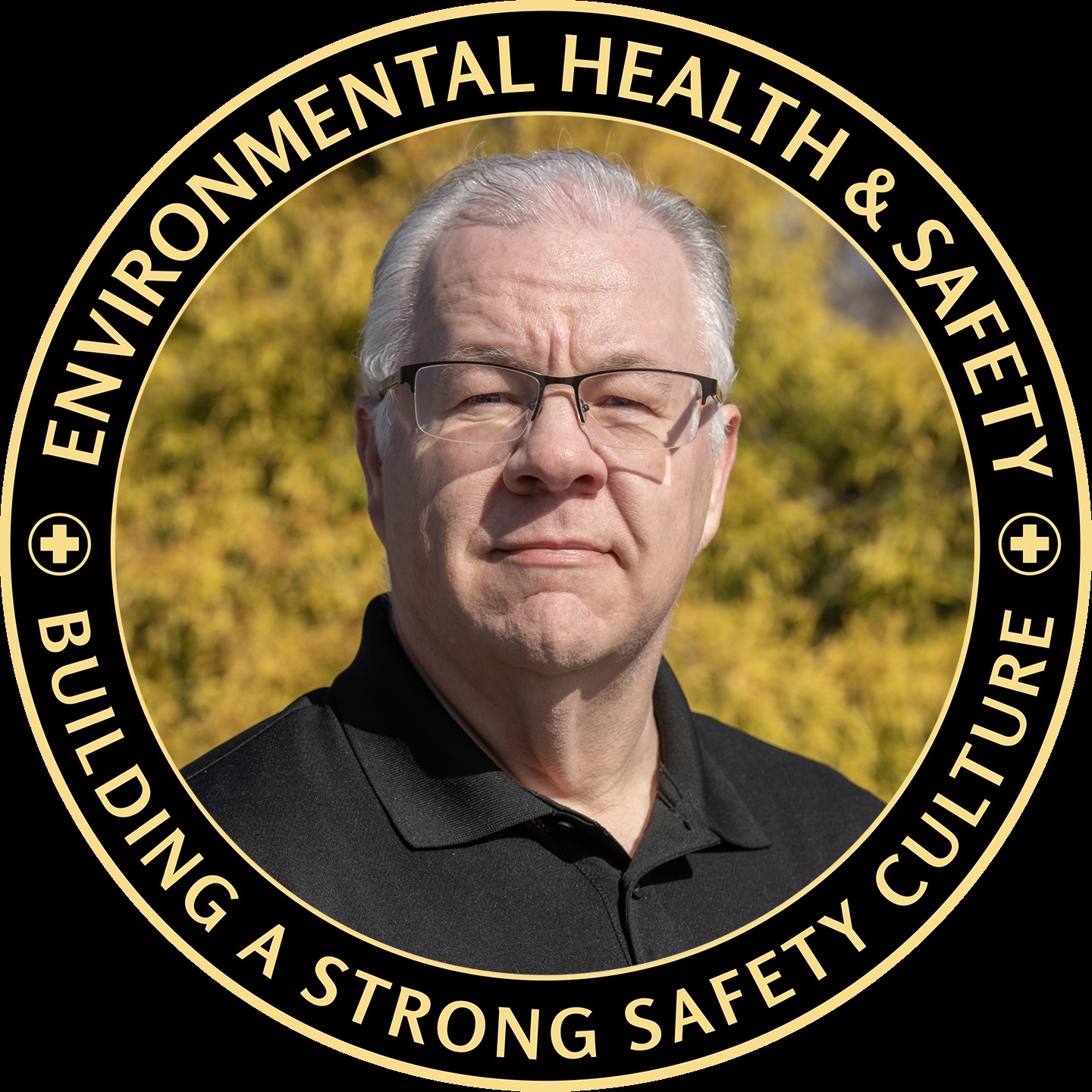
headshot of chris kuhlow


BIOLOGICAL SAFETY OFFICER

Chris Kuhlow  |  (631) 632-3717  |  Christopher.Kuhlow@stonybrook.edu

EHS Icon


CHEMICAL HYGIENE OFFICER

Ying Liu  |  (631) 632-3032  |  Ying.Liu.1@stonybrook.edu