



These resources are intended for public health and clinical laboratory staff involved
in any step of the packing or transporting process of patient samples or cultures.
Hospital employees who transport or ship hazardous materials, infectious, and diagnostic
specimens must be trained and certified by their employer prior to shipping and packing
dangerous goods.
Warning! You may be in violation of Federal Law and create a public safety hazard
if you ship dry ice, hazardous materials, or any other “Dangerous Goods” unless you
have received specific training, and the material is properly packaged and labeled. The information below consists of applicable regulations and requirements for the
transportation of Division 6.2 infectious substances and dry ice and resources to
determine proper course of action for packing and shipping. When shipping a Category
A infectious substance, an emergency contact number is required. The contact person
must be available by phone during the entire time the package is in transit. The contact
must know Emergency Response Procedures in case of an accident or spill. Contact Specimen
Receiving at (631) 444-2616 to arrange for 24-hour coverage during transit of the
package. These resources are intended to support trained and certified staff in preparing
and preparing shipments. Please contact Environmental Health & Safety to schedule
initial live training at (631) 444-6783.
The transportation of dangerous goods regulations requires that, with few exceptions,
every person engaged in the handling, offering for transport or transporting of dangerous
goods be trained in the area of handling such goods. Hazardous Materials Information Center - provides live, one-on-one assistance Monday
to Friday from 9:00 a.m. to 5:00 p.m. Dangerous Goods Information Hotline Classification of shipment resources CDC job aids Federal Regulations state that anyone wishing to ship dry ice must first have International
Air Transport Association (IATA)/Department of Transportation (DOT) training. If you
are going to package dry ice for shipment or sign any type of shipping documentation
(such as a FedEx Airbill) for a dry ice shipment, you must complete the Shipping of
Dangerous Goods Training (contact EH&S at 4-6783 to schedule in-person training).
These are the six basic requirements for shipments of dry ice: Additional requirements for preparing your dry ice shipments: Relevant links:
Department of Transportation (DOT)
https://www.transportation.gov/check-the-box/getting-started-with-hazmat
In the United States, the Department of Transportation is the regulatory authority
for hazardous materials sent by all modes of transport, except the U.S. Mail. DOT is the U.S. authority for assuring compliance with the transportation regulations.
PHMSA
https://www.phmsa.dot.gov/
Read regulations, free publications, and DOT training schedules. The Office of Hazardous
Materials Safety website formulates, issues, and revises Hazardous Materials Regulations
(HMR) under the Federal Hazardous Materials Transportation Law.
1-800-HMR-4922 (1-800-467-4922)
202-366-4488
infocntr@dot.gov
International Air Transport Association (IATA) / International Civil Aviation Organization
(ICAO)
https://www.iata.org/
ICAO governs the international transport of dangerous goods or hazardous materials
by air. The professional airline regulatory document, IATA Dangerous Goods Regulations
takes the ICAO regulations and adds additional industry requirements. A shipper who
follows IATA regulations is also in compliance with ICAO.
Read packing instructions 620, 650, up-to-date checklists for dry-ice and nonradioactive
shipments, and addenda to the most current edition of the dangerous goods regulations
on the IATA website.
1-514-390-6770
dangood@iata.org
United States Postal Service (USPS or U.S. Mail)
https://www.usps.com/
The USPS is an independent federal agency that provides mail service in the United
States. Regulations affecting the transport of hazardous materials in the US mail,
including Division 6.2 materials, are codified in the Code of Federal Register, 38
CFR and published in the Domestic Mail Manual.
Information on shipping dangerous goods can be found in the basic standards for all mailing services document on the USPS website. In particular, please note Section 601 Mailability.
Additional resources:
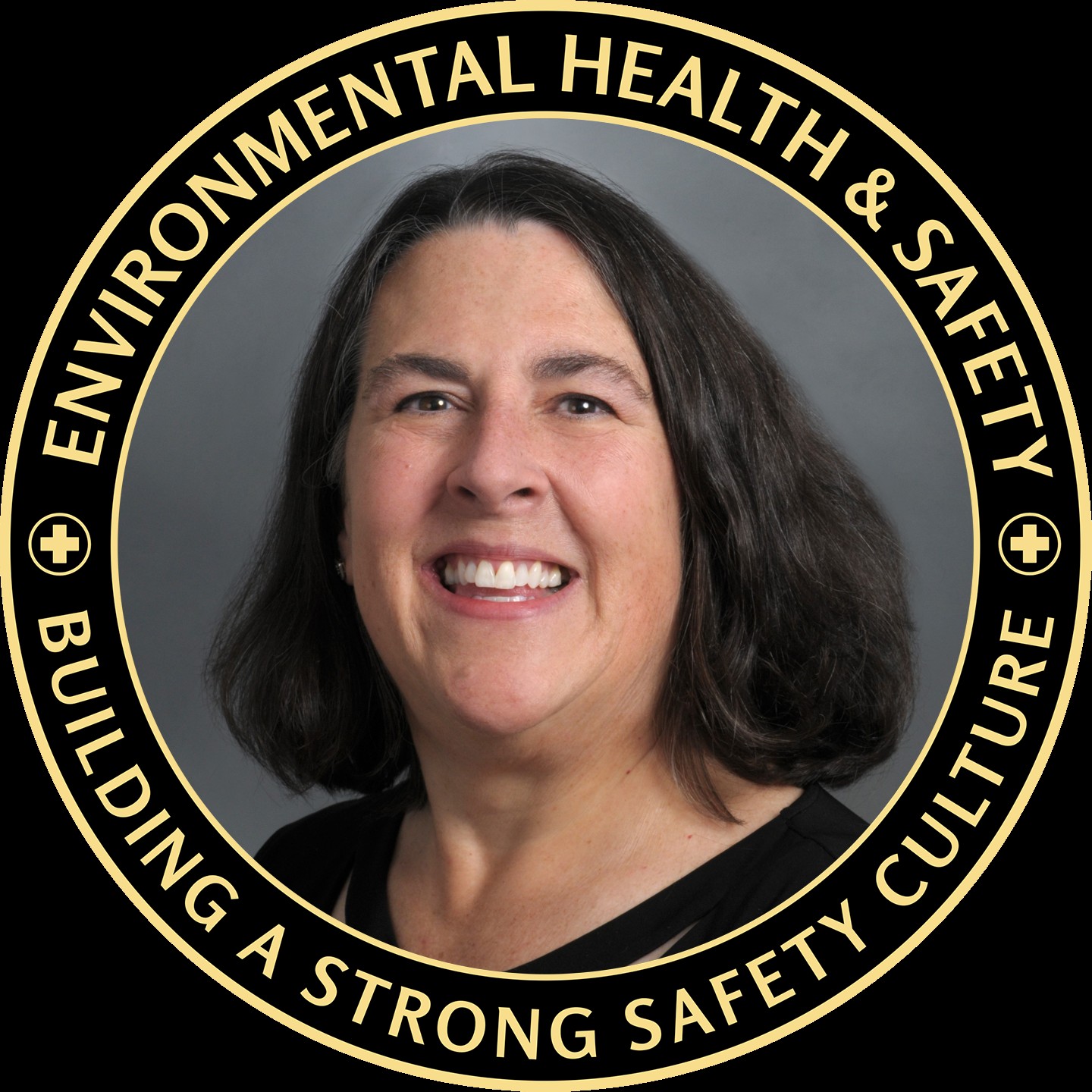
DIRECTOR OF HEALTHCARE SAFETY AND HOSPITAL SAFETY OFFICER
Barbara Boyle | (631) 444-6382 | Barbara.Boyle@stonybrookmedicine.edu