
FIRE SAFETY AND PREVENTION

Fire prevention at Stony Brook University is a year-round effort by Fire and Emergency Services. During the months of September and October, we conduct numerous fire safety lectures, fire extinguisher training and live-burn demonstrations in each of the residential communities and host an annual fire and safety expo on the academic mall. These events also coincide with national fire safety campaigns, campus fire safety month and fire prevention week.

  • Extension cords are prohibited.  
  • Certified surge protectors are an acceptable substitute.
  • Never plug surge protectors into each other.
  • Plug major appliances directly into a wall outlet.
  • Never charge your cell phones, laptops or other devices unattended, on the bed, or under the blankets.
  • Routinely check your wiring; frayed wires can cause fires. 
  • Electric space heaters must have an automatic tip over shut off switch.

Cooking is allowed in designated kitchen areas only!

  • Never leave cooking unattended.
  • Wear short or close-fitting sleeves. Loose clothing can catch fire.
  • Clean cooking surfaces to prevent food and grease build-up.
  • Keep curtains, towels, and pot holders away from hot surfaces.
  • Store solvents and flammable cleaners away from heat sources.
  • Turn pan handles inward to prevent accidental spilling.
  • Slide a pan lid over flames to smother a grease or oil fire, then turn off the heat and leave the lid in place until the pan cools. Never carry the pan to the sink or outside.
  • Only use a dry chemical fire extinguisher on a grease/oil fires. Never use water on grease/oil fires as the fire will spread.
  • Close the oven door and shut off the heat to smother an oven or broiler fire.

  • Identify locations of nearest exits, portable fire extinguishers and fire alarm pull stations.
  • Do not accumulate combustible/flammable materials.
  • Maintain minimum storage within office and lab areas.
  • Dispose of all trash.
  • Keep all stairwells, exits and corridors free of obstructions.
  • Keep all fire doors closed at all times.
  • Do not wedge or chock open doors.
  • Do not block fire extinguishers, fire hydrants, fire alarm devices or hose outlets.
  • Do not block or hang anything from sprinkler heads.
  • Keep all storage at least 18 inches clear from sprinkler heads.  

  • Smoke detectors - Should be installed in or near every bedroom and on each level of your home.
  • Carbon Monoxide detectors- CO alarms should be installed in a central location outside the bedroom and on every level of the home. Add CO detectors in places such as the garage, basement or other areas with carbon monoxide sources.
  • Exit Drills In The Home (EDITH) - Practice emergency escape drills in the home frequently. Consider emergency escape ladders for egress for multiple story egress.
  • Remember when you change the clocks, change the batteries in smoke and carbon monoxide detectors.

Fire & Emergency Services issues the following type of permits:

  • Hot work
  • Confined space
  • Tents (greater than 10'x10')
  • Fireworks

If you are performing work or having an event that requires one of these permits, you must contact Fire & Emergency Services (631) 632-6410 or EHSsafety@stonybrook.edu prior to the work or event to arrange for a permit.
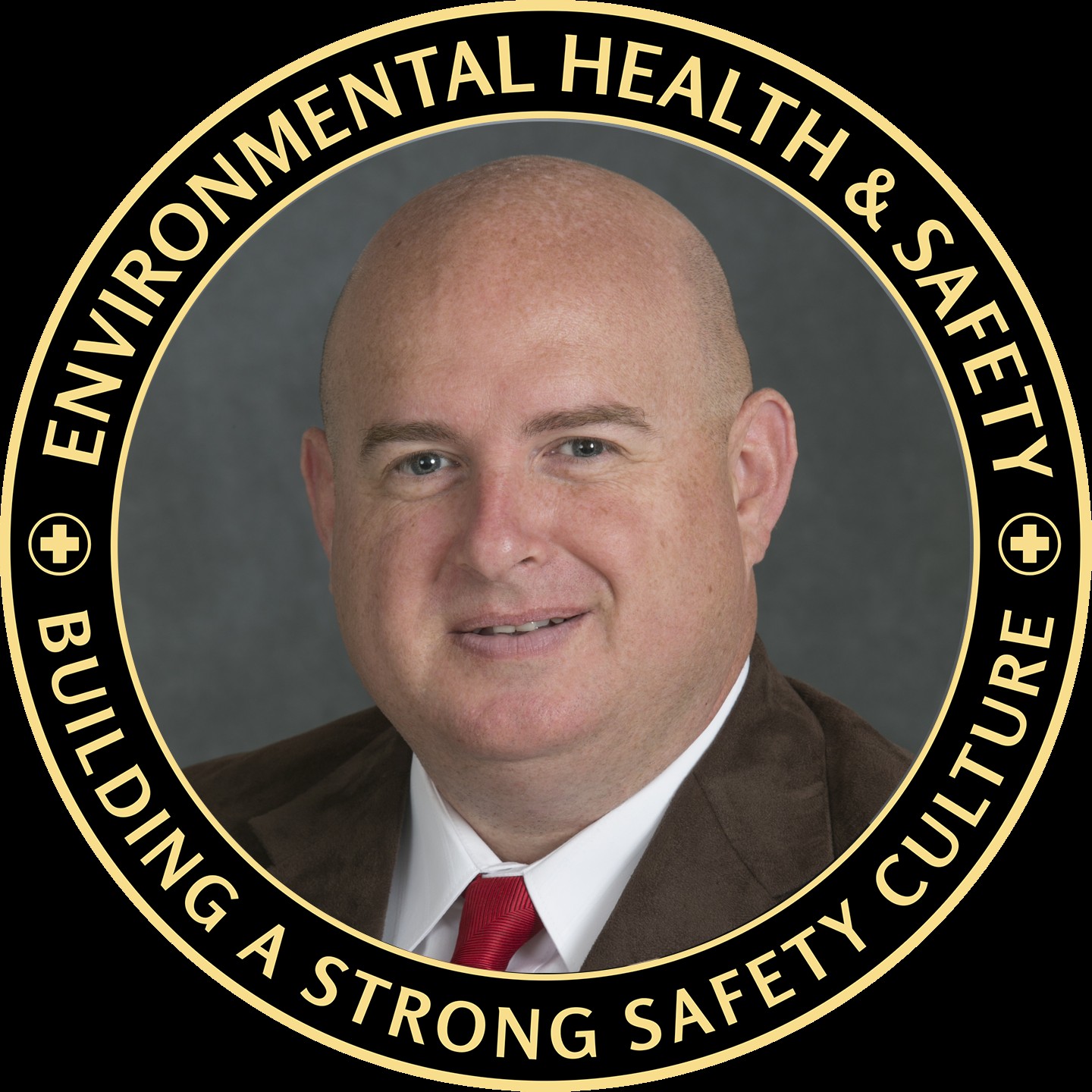
John Gallo


DIRECTOR OF FIRE SAFETY AND FIRE CHIEF

John Gallo  |  (631) 632-3732  |  John.Gallo@stonybrook.edu