/Finance and Administration
Budget, Financial Planning and Analysis
  • Campus Financial Information
    • Onward and Upward
    • SBU Financial Data Made Simple
      • FY 2026 Operating Budget
      • FY 2025 Actuals vs. FY 2025 Operating Budget
    • Accountability Data Center
  • University Budget
    • Foundational History
    • New Economic Framework
    • Standardized Administrative Rate (StAR)
    • SBU Budget Development
    • SBU Budget Maintenance
    • SBU Policies / Forms
    • SBU Resource Library / Training
  • FAQs
  • Communications Hub
    • Contact
    • More
      • HOME
      • Campus Financial Information
        • Onward and Upward
        • SBU Financial Data Made Simple
          • FY 2026 Operating Budget
          • FY 2025 Actuals vs. FY 2025 Operating Budget
        • Accountability Data Center
      • University Budget
        • Foundational History
        • New Economic Framework
        • Standardized Administrative Rate (StAR)
        • SBU Budget Development
        • SBU Budget Maintenance
        • SBU Policies / Forms
        • SBU Resource Library / Training
      • FAQs
      • Communications Hub
        • Contact
        • More
          Finance and AdministrationBudget, Financial Planning and Analysis
          • Home
          • Campus Financial Information
            • Onward and Upward
            • Accountability Data Center
            • SBU Financial Data Made Simple
              • FY 2026 Operating Budget
              • FY 2025 Actuals vs. FY 2025 Operating Budget
          • University Budget
            • Foundational History
            • New Economic Framework
            • Standardized Administrative Rate (StAR)
            • SBU Budget Development
            • SBU Budget Maintenance
            • SBU Policies / Forms
            • SBU Resource Library / Training
          • FAQs
          • Communications Hub
            • Contact


            1. Budget, Financial Planning and Analysis
            2. University Budget
            3. Foundation, Plan, Goals

            Our History: A Legacy-Driven Purpose

            Stony Brook University was founded in 1957 in response to a clear need: New York State required more trained teachers to meet growing demand in its secondary schools. Opening as the State University College on Long Island, the University began with just 148 students, led by 14 faculty members, on a temporary campus at the Planting Fields estate in Oyster Bay — offering a tuition-free education built around a focused mission of preparing math and science educators.

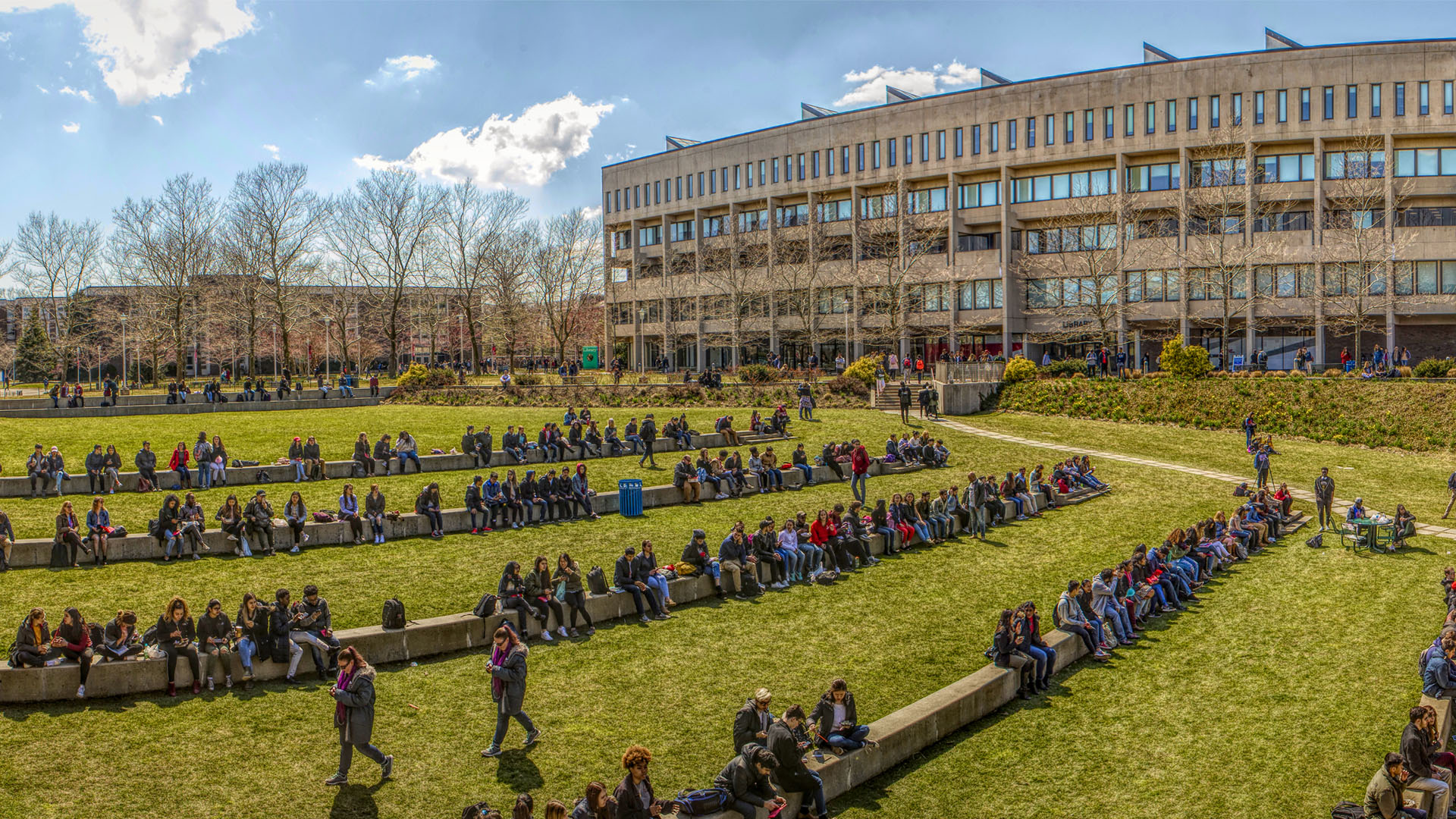
            Today, Stony Brook has grown from serving 148 students to more than 27,200 students, and from 14 faculty members to a growing community of over 3,000 faculty innovators and pioneers. No longer confined to a temporary campus, Stony Brook now spans more than 1,454 acres across its Stony Brook, Southampton, and satellite locations — a sprawling footprint that drives inspiration, discovery, and research recognized around the world.

            As a state-supported institution, the University's earliest budgets were built around direct state appropriation — funding tied closely to enrollment and legislative allocation, reflecting the straightforward, single-purpose mission of the College's founding years. When the University moved to its permanent campus in Stony Brook in 1962, that mission began to expand rapidly: within just a few years, Stony Brook had grown into a comprehensive university center, adding new colleges, a graduate school, and eventually a full health sciences enterprise — each bringing new financial complexity to a budget model that had been designed for a much smaller, more singular purpose.

            Over the seven decades since, as Stony Brook grew into one of the nation's leading public research universities, its budget practices evolved step by step to keep pace — through the introduction of all-funds, multi-year budgeting, and the founding principles that shaped the years leading up to today.

            Now, like any institution committed to its mission, Stony Brook recognizes that the next seven decades call for a new foundation. The New Economic Framework (NEF) represents that shift: a model built not just to meet today's needs, but to fortify the University's financial future and ensure sustainability for generations of Seawolves to come.
             

            Footer

            Stony Brook University
            NAME OF DEPARTMENT GOES HERE

            Administration Building, Level 4, Room 401 | Stony Brook, NY 11794-0751
            PHONE: (631) 632-6090 | EMAIL: bfpa@stonybrook.edu | Questions & Feedback: Submit here

            • Privacy Policy
            • Reporting Discrimination
            • Sexual Misconduct
            • Accessibility Barrier

            © 2026 Stony Brook University

            ©